What is stem cell technology?
Stem cell technology is the field concerned with the research, collection, culture, preservation, quality control, and application of stem cells in regenerative medicine, scientific research, and healthcare.
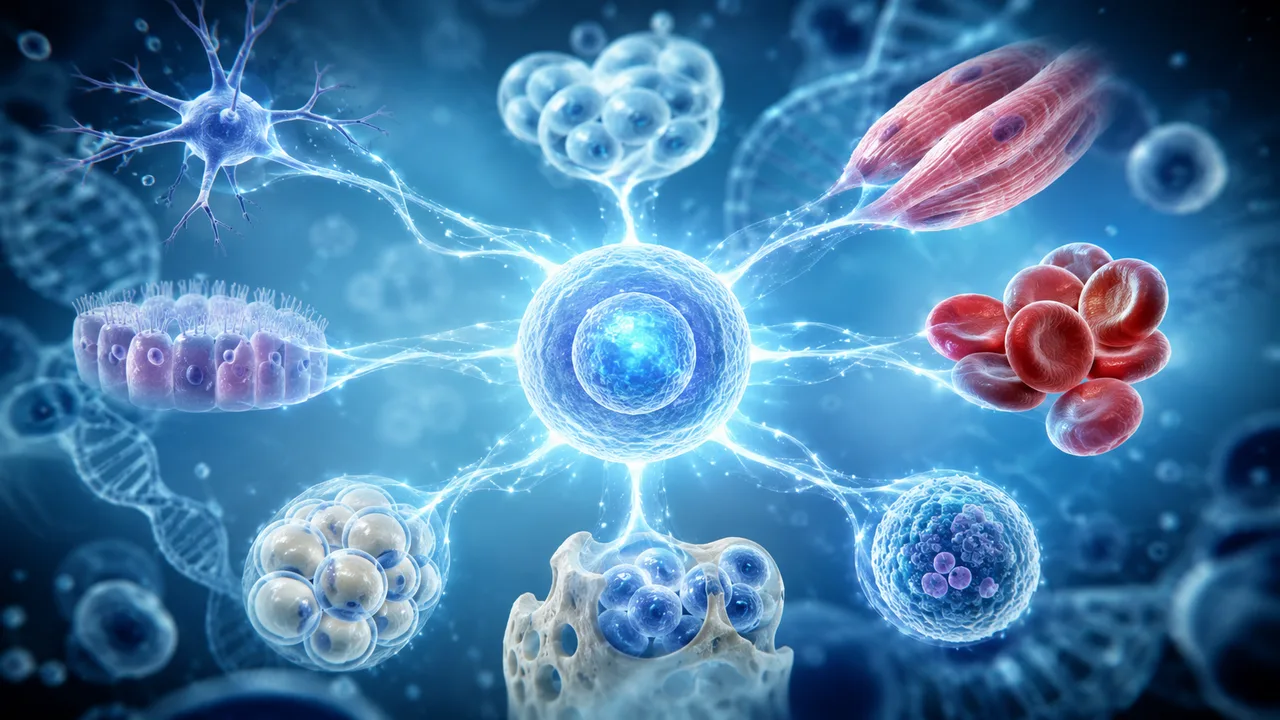
Stem cells are cells that have not yet fully differentiated. They are able to self-renew to maintain a pool of cells and, under suitable conditions, can develop into specialised cell types. Because of these properties, stem cells have attracted interest in treatment approaches aimed at supporting the repair of damaged tissue and improving the body's function.
However, it should be correctly understood that stem cell technology is not a method that “cures every disease”. Its scope of application, efficacy, and safety depend on the type of cell, the medical indication, the processing procedure, and the scientific evidence for each method.
What properties do stem cells have?
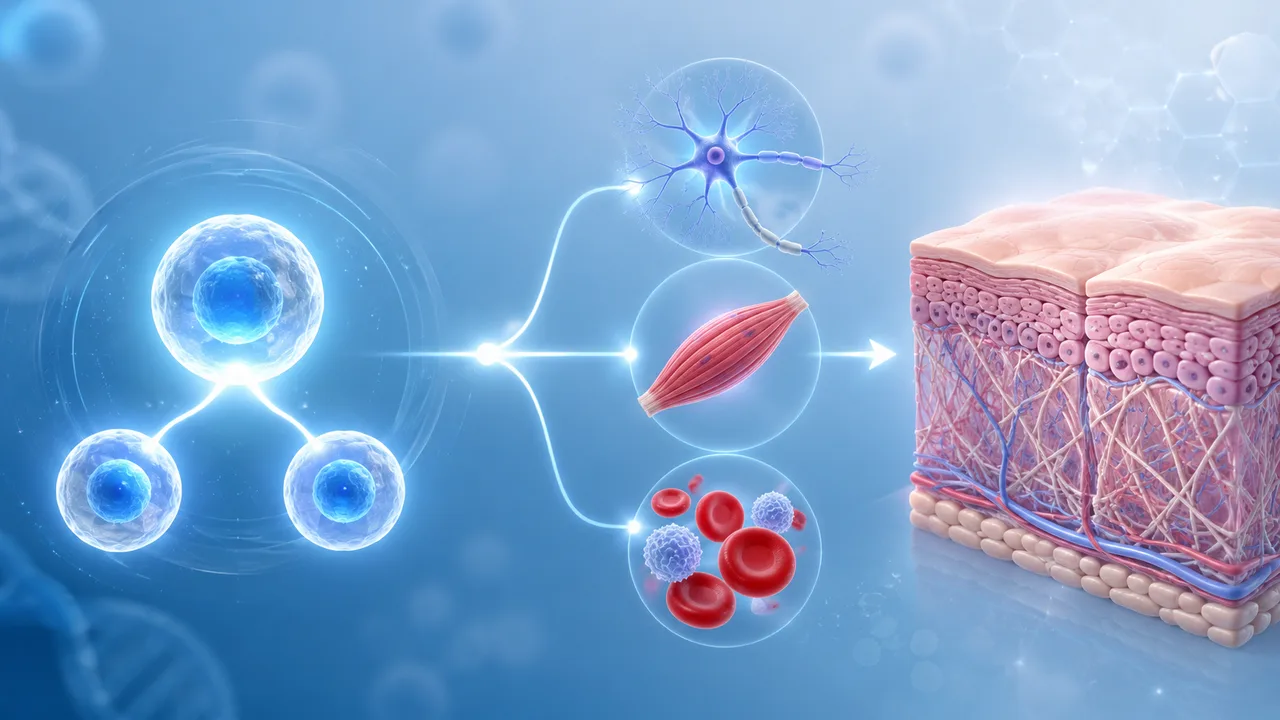
Stem cells have three important characteristics that give them value in research and regenerative medicine.
Self-renewal capacity
Stem cells can divide to produce daughter cells that carry properties similar to the original cell. This mechanism helps maintain the pool of cells within tissue and creates the conditions for research, culture, or therapeutic application.
Differentiation capacity
Depending on their origin and degree of potency, stem cells can differentiate into one or many specialised cell types, such as blood cells, nerve cells, muscle cells, cartilage cells, or skin cells.
Capacity to support tissue repair
Some types of stem cells, particularly mesenchymal stem cells, are studied for their ability to secrete biological factors that may help regulate inflammation, promote tissue regeneration, and improve the microenvironment at the site of injury.
What steps does stem cell technology involve?
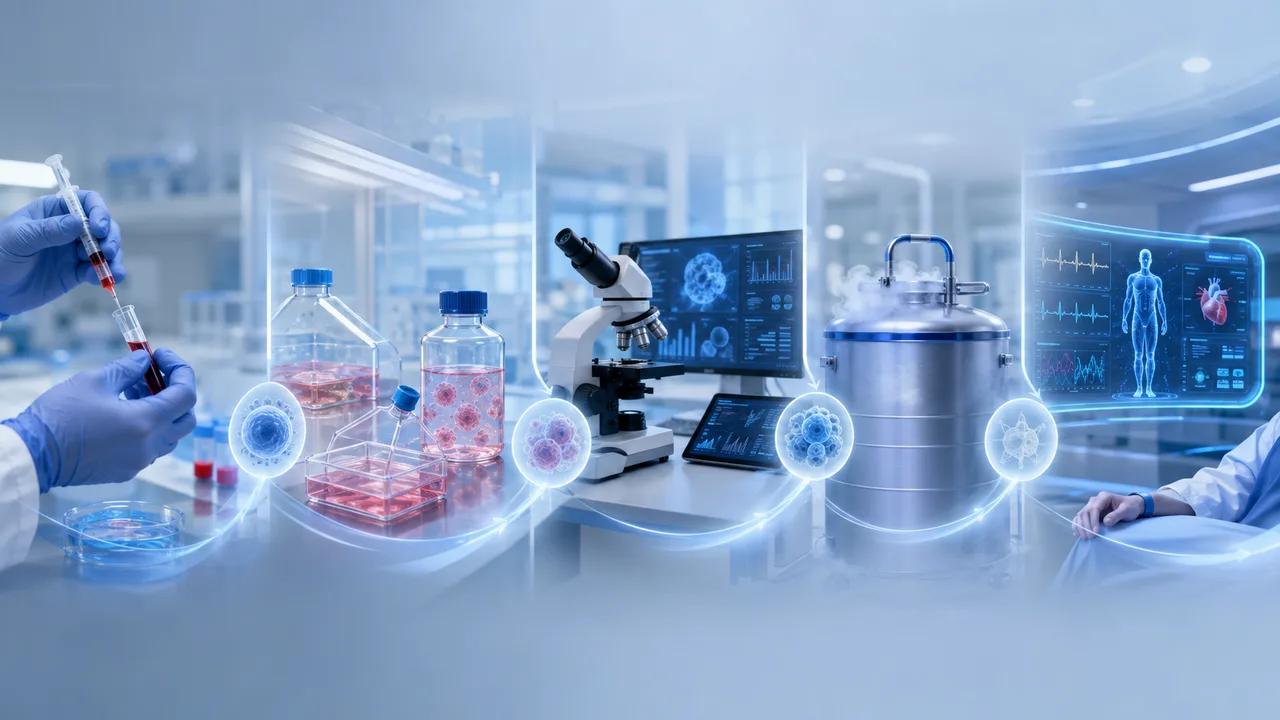
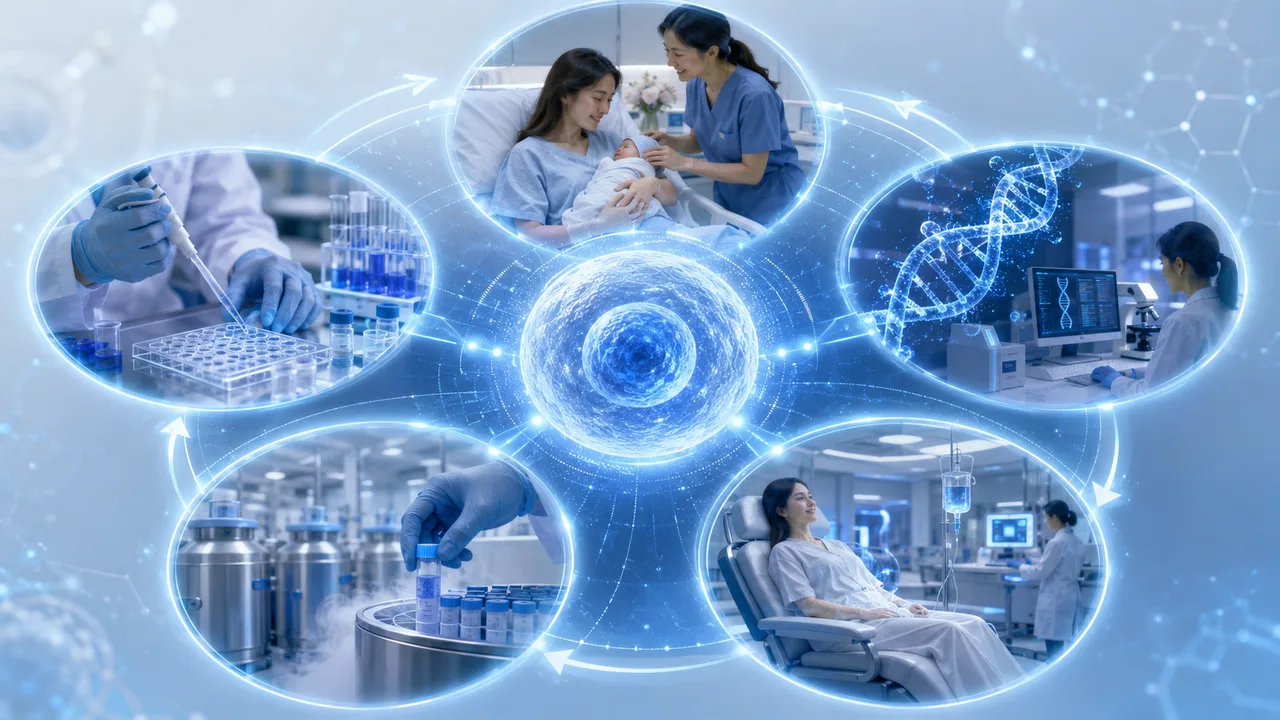
For a stem cell product or therapy to be deployed safely, the process typically involves several tightly controlled stages.
1. Cell collection
Stem cells can be collected from many sources such as bone marrow, peripheral blood, umbilical cord blood, umbilical cord tissue, adipose tissue, or other suitable tissues. The choice of cell source depends on the goal of storage, research, or the specialist indication.
2. Isolation and culture
After collection, the cell sample is processed under sterile conditions to isolate the target cells. In some cases, the cells may be cultured or expanded in order to reach the quantity needed for research and application.
3. Quality control
This is the step that determines the safety of the cell product. The criteria may include viability, purity, stability, biological characteristics, the risk of microbial contamination, and other relevant standards.
4. Cell preservation
Cells can be cryopreserved to maintain their quality over long periods. This process requires a system of equipment, tracking records, and continuous temperature control.
5. Application and monitoring
When used in treatment or clinical trials, cells must be prescribed by a qualified physician and closely monitored before, during, and after use.
Common types of stem cells today
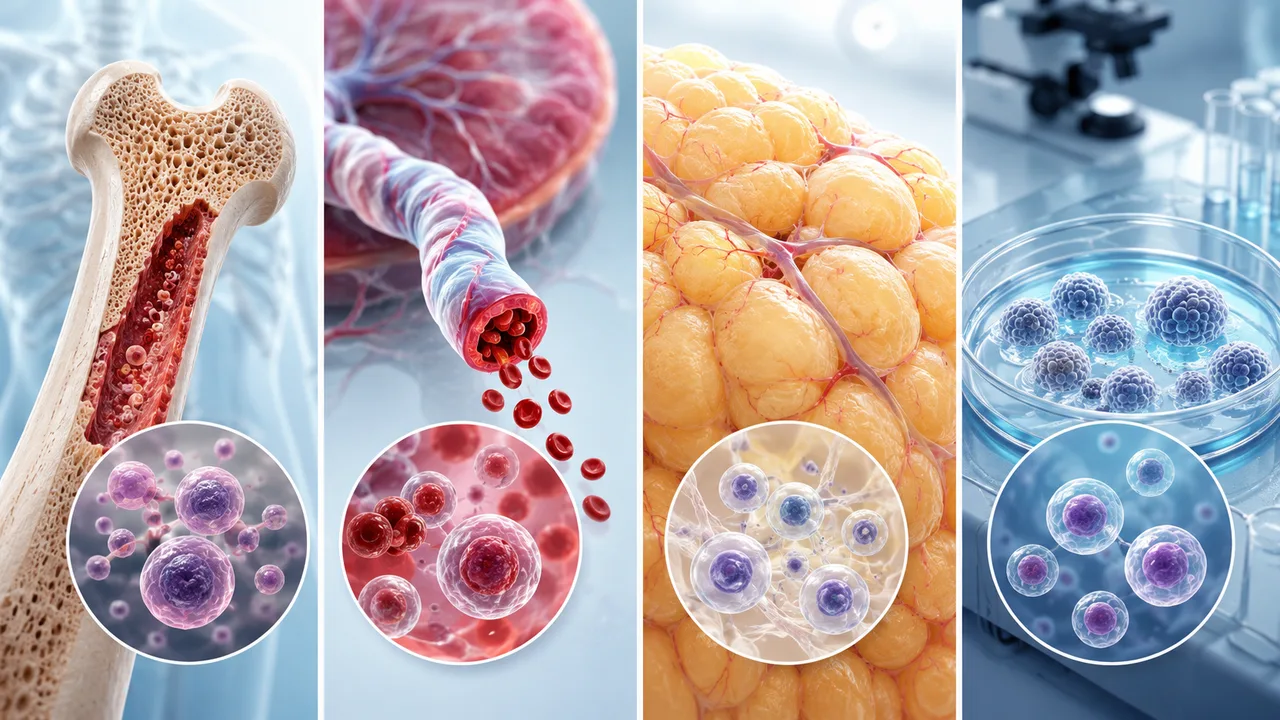
Haematopoietic stem cells
Haematopoietic stem cells are able to form the cells of the blood and immune systems. This cell type plays an important role in haematopoietic stem cell transplantation, which is used to treat certain haematological, immune, and blood-cancer conditions under specialist indication.
Mesenchymal stem cells
Mesenchymal stem cells are usually isolated from bone marrow, adipose tissue, umbilical cord, or certain other tissues. This cell type is being studied extensively in areas related to immune regulation, musculoskeletal injury, tissue regeneration, and wound healing.
Embryonic stem cells and induced pluripotent stem cells
Embryonic stem cells and induced pluripotent stem cells have broader differentiation potential. They are an important foundation for disease research, drug development, tissue engineering, and personalised medicine. However, their clinical application must be tightly controlled owing to the high safety and ethical requirements involved.
Umbilical cord blood stem cells
Umbilical cord blood is a source of haematopoietic stem cells that can be stored after birth. In certain suitable cases, this cell source may be used for haematopoietic stem cell transplantation or for research in the future.
Applications of stem cell technology in medicine
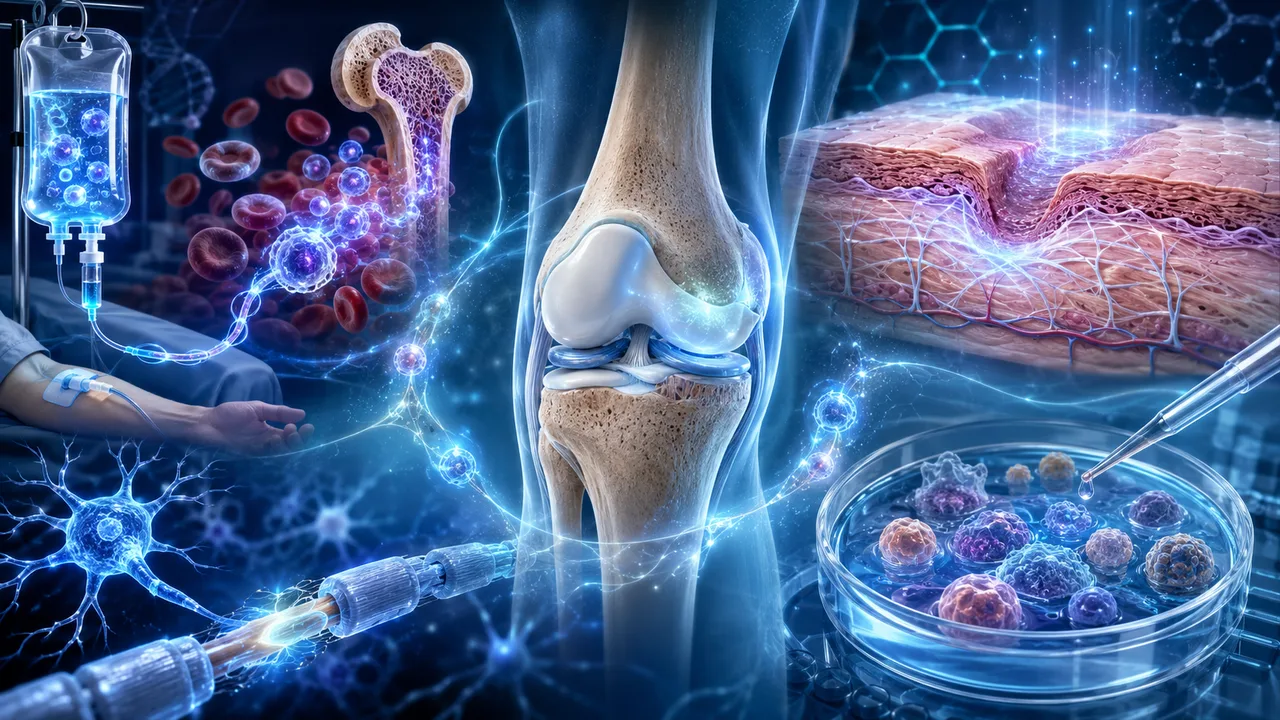
Treatment of haematological diseases
Haematopoietic stem cell transplantation is one of the applications already used in clinical practice. This method may be indicated for conditions such as leukaemia, lymphoma, multiple myeloma, aplastic anaemia, and certain immune or genetic disorders.
Regenerative medicine and tissue repair
Stem cells are studied in approaches to repair skin, cartilage, bone, muscle, nerve, and blood vessels. The aim is to support tissue regeneration, improve function, and enhance patients' quality of life.
Support for treating musculoskeletal disorders
Some studies evaluate the potential of stem cells in conditions such as osteoarthritis, cartilage damage, tendinitis, or delayed healing of tissue injury. However, efficacy may differ between individual conditions and between the methods used.
Treatment of wounds and skin injuries
Stem cell technology has attracted interest in supporting the treatment of hard-to-heal wounds, burns, skin damage, and certain conditions that require accelerated tissue regeneration. Research focuses on the capacity to regulate inflammation, promote blood-vessel formation, and support the formation of new tissue.
Drug development research
Stem cells can be used to create disease models in the laboratory. This helps scientists study disease mechanisms, assess toxicity, and screen new drugs before testing them in humans.
What does stem cell storage mean?
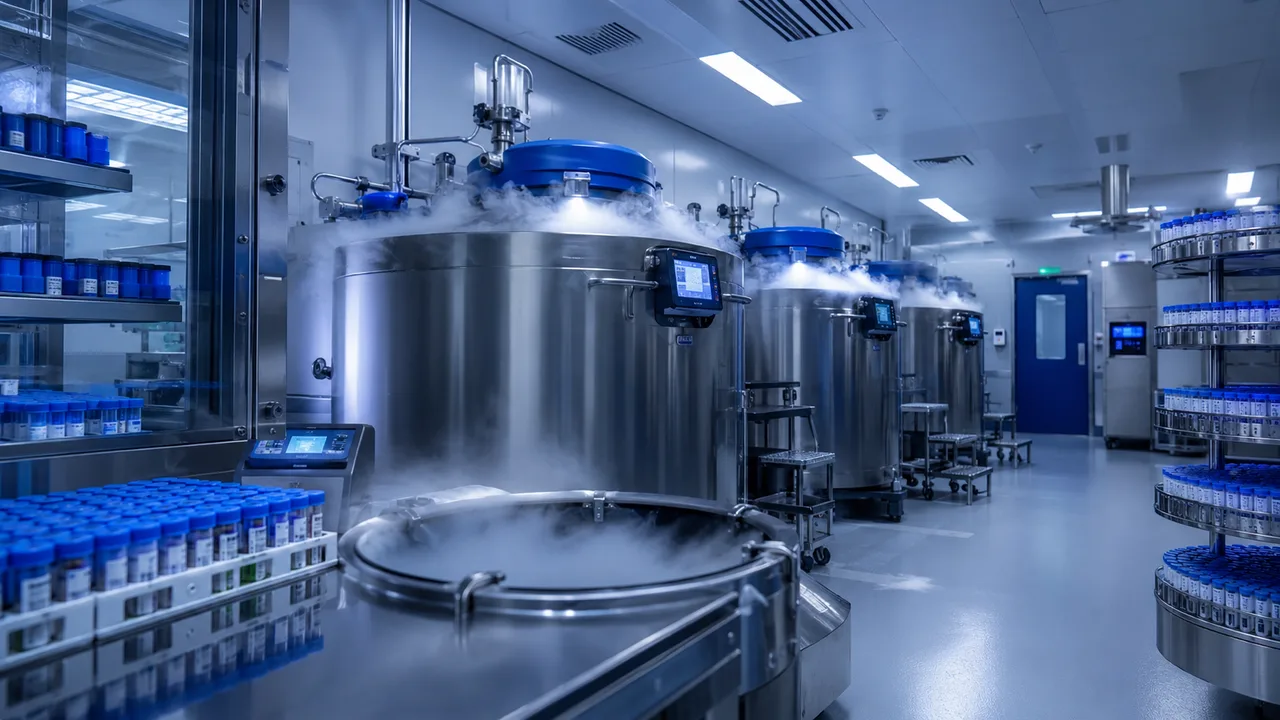
Stem cell storage is the process of collecting and preserving cells under deep-cold conditions in order to maintain their usability in the future. Sources commonly considered for storage include umbilical cord blood, umbilical cord tissue, adipose tissue, or other suitable cell sources.
The value of storage does not lie in a promise to treat every disease, but in preserving a source of biological cells with potential use when there is an appropriate indication in the future. Users should be clearly advised about the type of cells stored, the storage duration, the quality standards, ownership of the sample, and the actual limits of application.
Is stem cell treatment safe?

Safety depends on each type of cell product, the purpose of use, the facility carrying it out, and the level of scientific evidence. A therapy that is taken seriously must have clear procedures for collection, processing, quality control, clinical indication, and post-treatment monitoring.
Patients and their families should be cautious of advertisements that promise a rapid cure, treatment of every disease, or no need for physician monitoring. Such claims usually do not reflect the true scientific nature of stem cell technology.
Before choosing a service or therapy involving stem cells, one should speak directly with a specialist physician and learn about the legal status of the facility, the origin of the cells, the quality-control procedures, the possible risks, and the plan for monitoring after use.
Professional organisations and regulatory authorities recommend that patients check the clinical evidence, the approval and regulatory status, and the risks before pursuing a stem cell therapy; many widely advertised products have still not been adequately verified for efficacy and safety.
Questions to ask before choosing a stem cell service

Before deciding, patients should clarify the following questions:
- Is this therapy indicated for my condition?
- What is the goal of treatment: standard treatment, supportive treatment, or a clinical trial?
- Where are the cells sourced from, and how are they processed?
- Does the facility have the professional capability, quality-control procedures, and a post-treatment monitoring system?
- What are the expected benefits, risks, costs, and follow-up period?
- Is there any scientific data or professional guidance that supports this method?
Asking the right questions helps patients access more transparent information and make more appropriate decisions.
Conclusion
Stem cell technology is a field of modern medicine rich in potential, contributing to research on tissue regeneration, the treatment of haematological diseases, drug development, and personalised healthcare.
Nevertheless, this potential only has value when it is deployed on a foundation of science, ethics, and rigorous quality control. Patients need to approach information cautiously, choose reputable specialist facilities, and not regard stem cells as a replacement for every existing treatment method.
In the future, together with advances in biotechnology, tissue engineering, gene therapy, and artificial intelligence, stem cells are expected to continue expanding their role in regenerative medicine and personalised treatment.