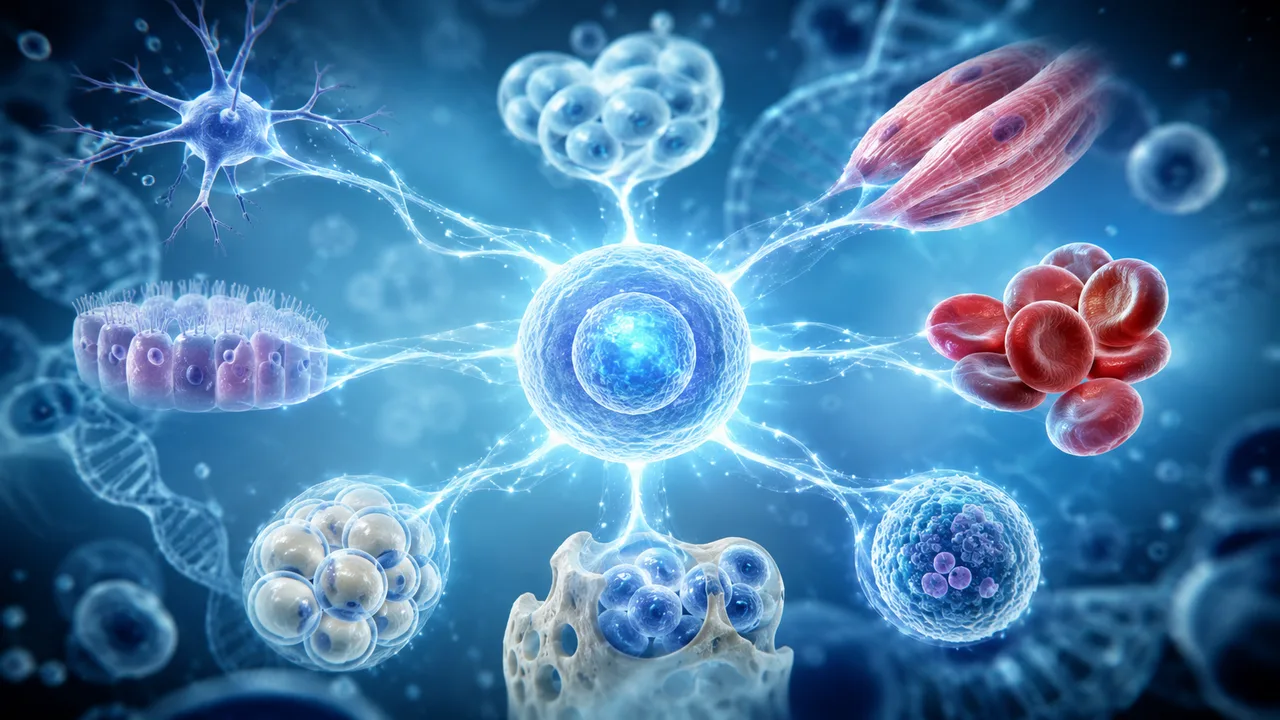
Vietnam's Biotechnology: An Opportunity to Reach the Global Market
Vietnam's biotechnology is entering a new phase of development
Biotechnology is becoming one of the strategic sectors for many countries. It is not merely a scientific discipline that serves research, but also a key driver of healthcare, agriculture, pharmaceuticals, the environment and sustainable economic development.
In Vietnam, biotechnology has been receiving far greater attention in recent years. Fields such as vaccines, diagnostic biologicals, microbiology, cell technology, gene therapy, regenerative medicine and agricultural biotechnology are opening up many new opportunities for growth.

However, to reach the global market, Vietnam needs to shift from a "laboratory research" mindset to a "developing commercially viable products" mindset.
Why is biotechnology a strategic sector?
Biotechnology has the ability to create high-value products with a direct impact on human life. In healthcare, biotechnology helps develop vaccines, biologic drugs, molecular diagnostic tests, cell therapies and precision medicine.
In agriculture, biotechnology supports the creation of crop varieties and livestock breeds with high productivity, strong disease resistance and adaptability to climate change. In the environment, biotechnology helps treat waste, restore ecosystems and develop green solutions.
What makes this sector special is that its value does not lie in raw resources, but in knowledge, core technologies and the ability to master production processes.
Vietnam's potential in biotechnology
Vietnam has many advantages for developing biotechnology. First is its rich biodiversity, diverse natural ecosystems and valuable indigenous medicinal resources. This is an important foundation for researching and developing distinctive biological products.

In addition, Vietnam has a large population, rising healthcare demand and a rapidly expanding medical market. This creates significant room for products such as diagnostic biologicals, vaccines, biomedical products, cell technology and personalized healthcare solutions.
Furthermore, a young workforce, the capacity to adopt technology quickly, and the growth of universities, research institutes and technology enterprises are also important advantages.
Fields with the potential for breakthroughs
1. Biopharmaceuticals and biologic drugs
Biopharmaceuticals are one of the highest-value areas of modern biotechnology. Products such as monoclonal antibodies, recombinant proteins, next-generation vaccines and immunotherapy drugs account for a large share of the global market.
If Vietnam can master the technology for producing, testing and commercializing biologic drugs, this will be an important step forward, helping to reduce dependence on imports and strengthen national healthcare capacity.
2. Diagnostic biologicals and molecular testing
The COVID-19 pandemic demonstrated the especially important role of diagnostic biologicals. Rapid test kits, PCR testing, gene sequencing and molecular diagnostics help detect diseases early, monitor epidemiology and personalize treatment.
This is a field in which Vietnam can develop strongly if it invests correctly in core technologies, quality standards and large-scale production capacity.
3. Cell technology and regenerative medicine
Cell technology, stem cells and regenerative medicine are among the fastest-growing technology groups in the world. Research directions such as cell therapy, tissue regeneration, treatment of degenerative diseases, repair of injuries and proactive healthcare are attracting great interest.
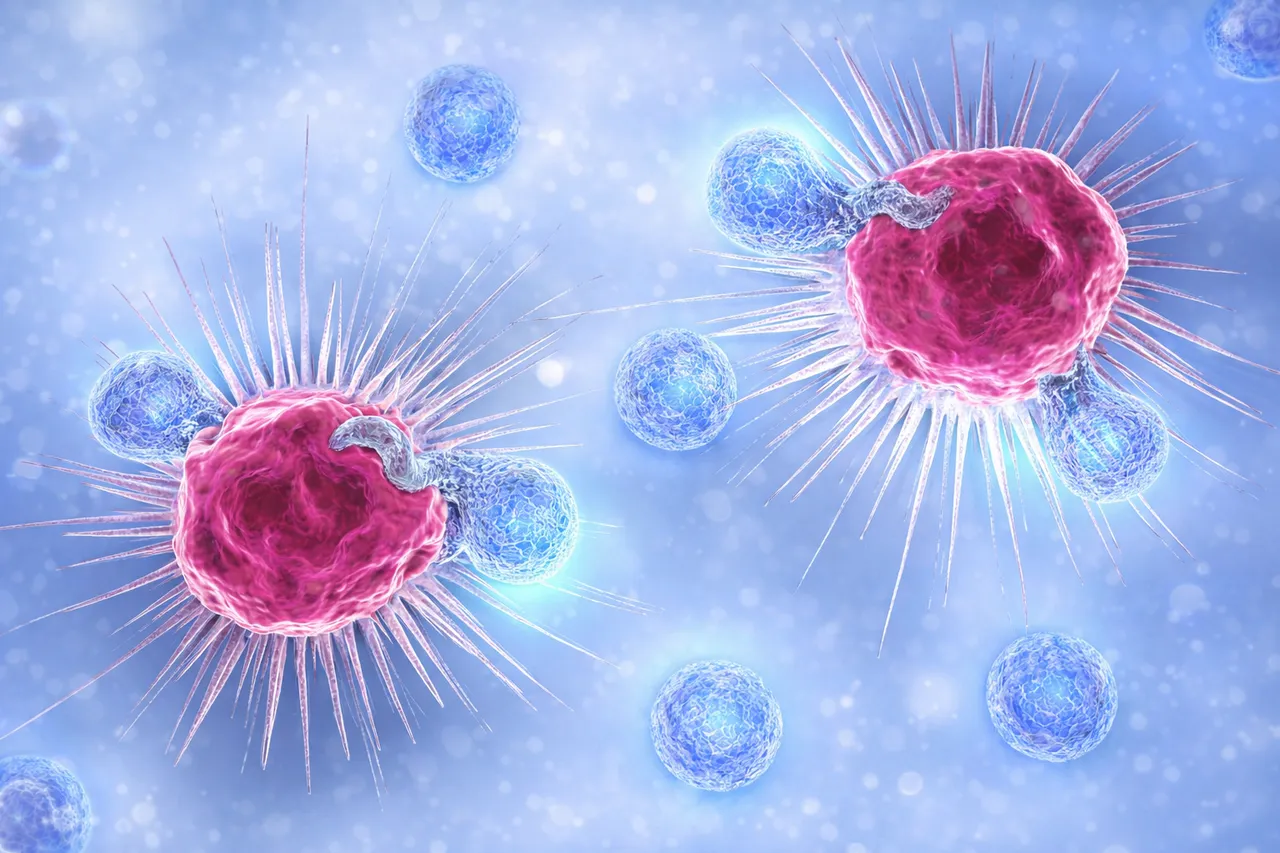
This is also a field with potential in Vietnam, especially as demand for treating chronic diseases, age-related diseases and functional rehabilitation continues to rise.
4. Gene technology and precision medicine
Gene sequencing, gene editing, bioinformatics and artificial intelligence in biomedicine are transforming the approach to treatment. Instead of applying a single common protocol to the majority, precision medicine aims to deliver treatment based on each patient's individual genetic, biological and clinical characteristics.
With systematic investment, Vietnam could build a biological database specific to the Vietnamese population, and from there develop diagnostic and treatment solutions better suited to the domestic population.
5. Agricultural biotechnology
Agriculture is one of the fields in which Vietnam has a clear advantage. Biotechnology can help create high-quality crop varieties, microbial preparations, biological fertilizers, biological pesticides and solutions that reduce dependence on chemicals.
This direction aligns with the trend toward green, safe and sustainable agriculture.
Bottlenecks that need to be removed
Despite its great potential, Vietnam's biotechnology still faces many challenges.
First, research and production infrastructure is not yet well coordinated. Many laboratories do not yet meet international standards, while production facilities meeting GMP or GLP standards or serving preclinical trials remain limited.
Second, the gap between research and commercialization remains large. Many scientific projects achieve good results but have not been turned into products that can be sold on the market or compete internationally.
Third, the legal framework for new technologies such as cell therapy, gene therapy, gene editing and regenerative medicine still needs further refinement. Without appropriate regulatory mechanisms, businesses will find it difficult to invest for the long term, while patients may have to go abroad to access advanced technologies.
Fourth, there is a shortage of enterprises with sufficient capacity to master core technologies. Biotechnology cannot develop strongly if it relies solely on importing equipment or on partial transfer of processes. The important thing is to build domestic capacity in research, production, quality testing and product development.
A complete biotechnology ecosystem needs to be built
For Vietnam's biotechnology to reach the world, a complete ecosystem is needed, comprising the state, research institutes, universities, hospitals, businesses and investors.

Within this ecosystem, the state plays the role of providing strategic direction, refining the legal framework and investing in foundational infrastructure. Research institutes and universities are where knowledge, technology and high-quality human resources are created. Businesses are the force that brings research results to the market.
Only when the three pillars of research, production and commercialization are closely connected can Vietnam create biotechnology products with real-world value and the ability to compete internationally.
A strategic direction for Vietnam
To keep pace with global trends, Vietnam needs to focus on several key directions:
- Invest in biotechnology centers that meet international standards.
- Develop GLP laboratories and GMP production facilities.
- Support domestic enterprises in mastering core technologies.
- Establish controlled trial mechanisms for new technologies.
- Train specialized human resources in molecular biology, gene technology, stem cells, bioinformatics and AI in biomedicine.
- Strengthen international cooperation and selective technology transfer.
- Prioritize the commercialization of products in which Vietnam has a competitive advantage.
What matters is not to spread development too thin, but to choose the right fields that can create high value and match domestic capabilities.
The role of enterprises in developing biotechnology
Enterprises are the decisive link in the process of bringing biotechnology to the market. Without businesses investing in production, quality testing, product registration and market development, research results will struggle to create real-world impact.
In the period ahead, Vietnamese biotechnology enterprises need to shift from the role of distribution or contract manufacturing to the role of mastering technology. This includes capacity in applied research, building standardized processes, quality control, regulatory registration and product commercialization.
Enterprises that lead in fields such as regenerative medicine, stem cells, diagnostic biologicals, biopharmaceuticals and agricultural biotechnology will have great opportunities if they know how to combine science, international standards and market demand.
Conclusion
Vietnam's biotechnology stands at a great opportunity to develop and integrate internationally. With advantages in biodiversity, medicinal resources, rising healthcare demand and a young workforce, Vietnam has a sufficient foundation to build valuable biological products.
However, to achieve global goals, Vietnam needs to overcome bottlenecks in infrastructure, regulation, human resources, investment and commercialization. When research is linked to the market, businesses are supported in mastering technology and the innovation ecosystem operates effectively, biotechnology can become an important growth driver for the country in the decades to come.