The Closed-Loop Stem Cell Ecosystem: A Foundation for Lifelong Proactive Health Care
What is a closed-loop stem cell ecosystem?
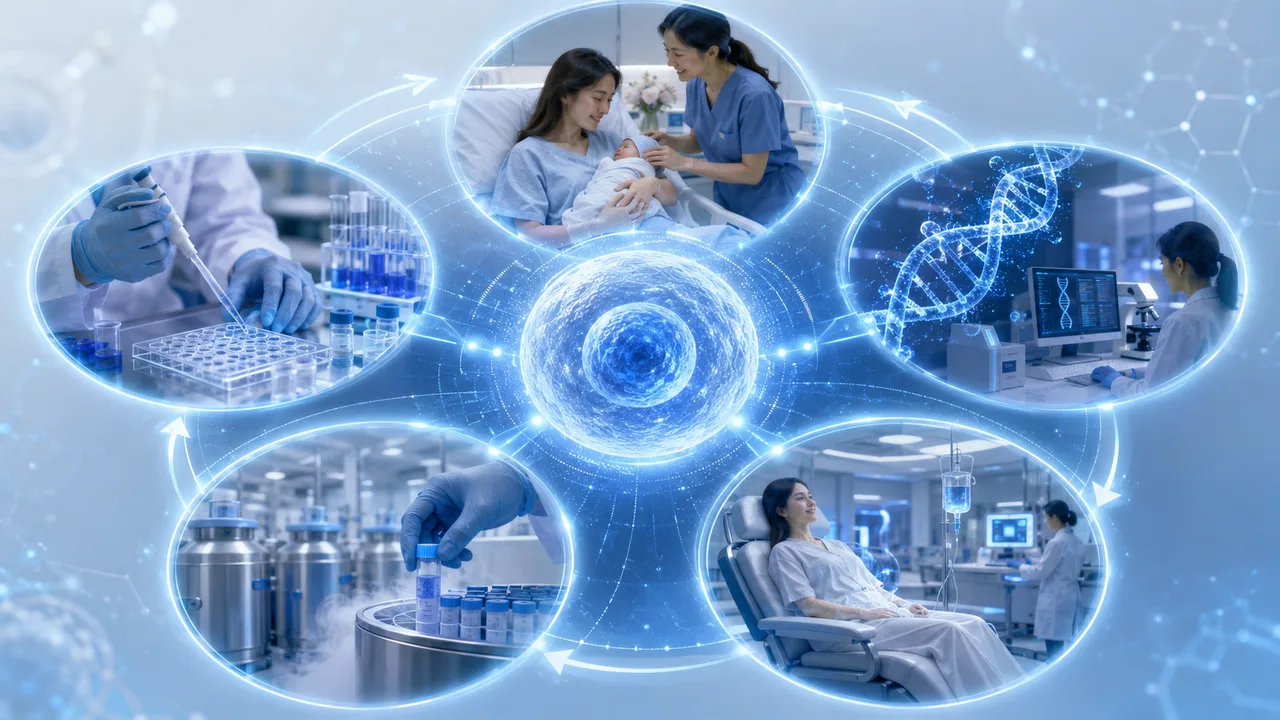
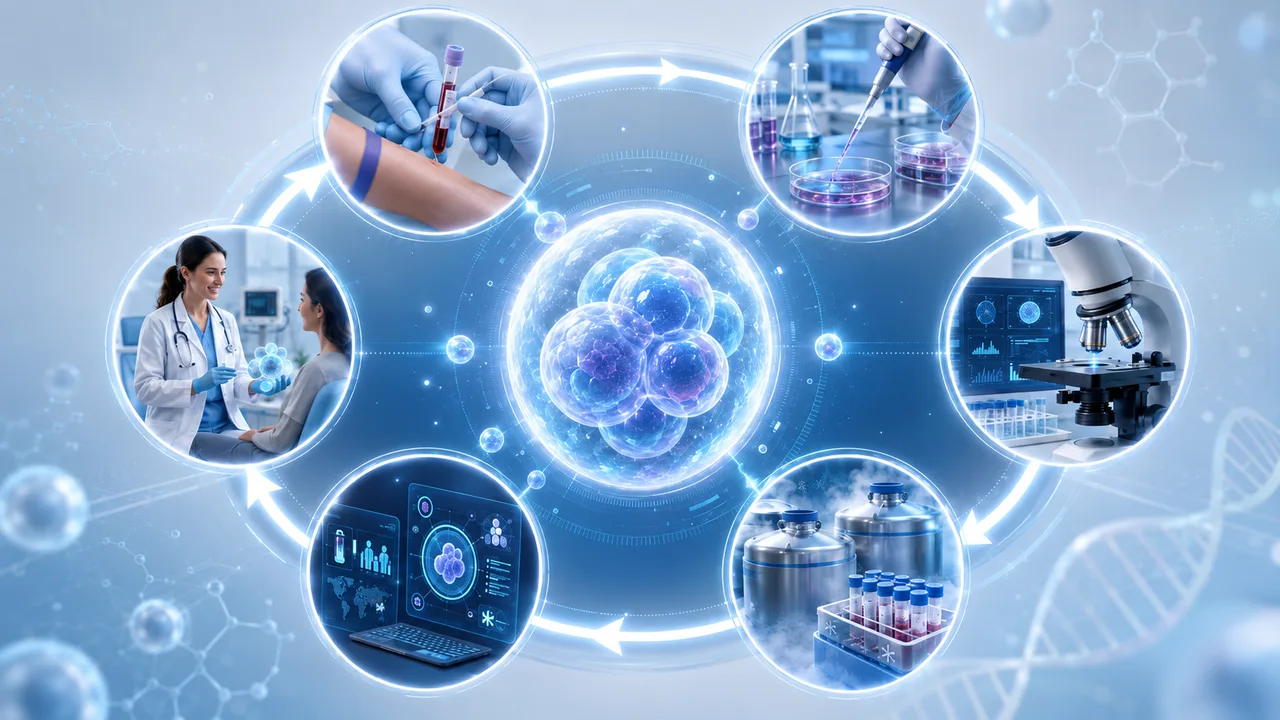
A closed-loop stem cell ecosystem is a model that synchronously links the steps of collecting, processing, testing, storing and managing stem cells within a single specialized chain. The goal of this model is to preserve a valuable biological resource while also laying the foundation for future regenerative medicine applications.
Instead of merely storing stem cells as a standalone service, a closed-loop ecosystem aims to manage the entire life cycle of the cell sample: from the moment of collection, through transport, processing, quality control and cryogenic storage, to information retrieval when the sample is needed.
This is a trend attracting growing attention in modern medicine, especially as demand rises for proactive health care, personalized medicine and cell-technology-based treatment of disease.
Why are stem cells considered a valuable biological resource?
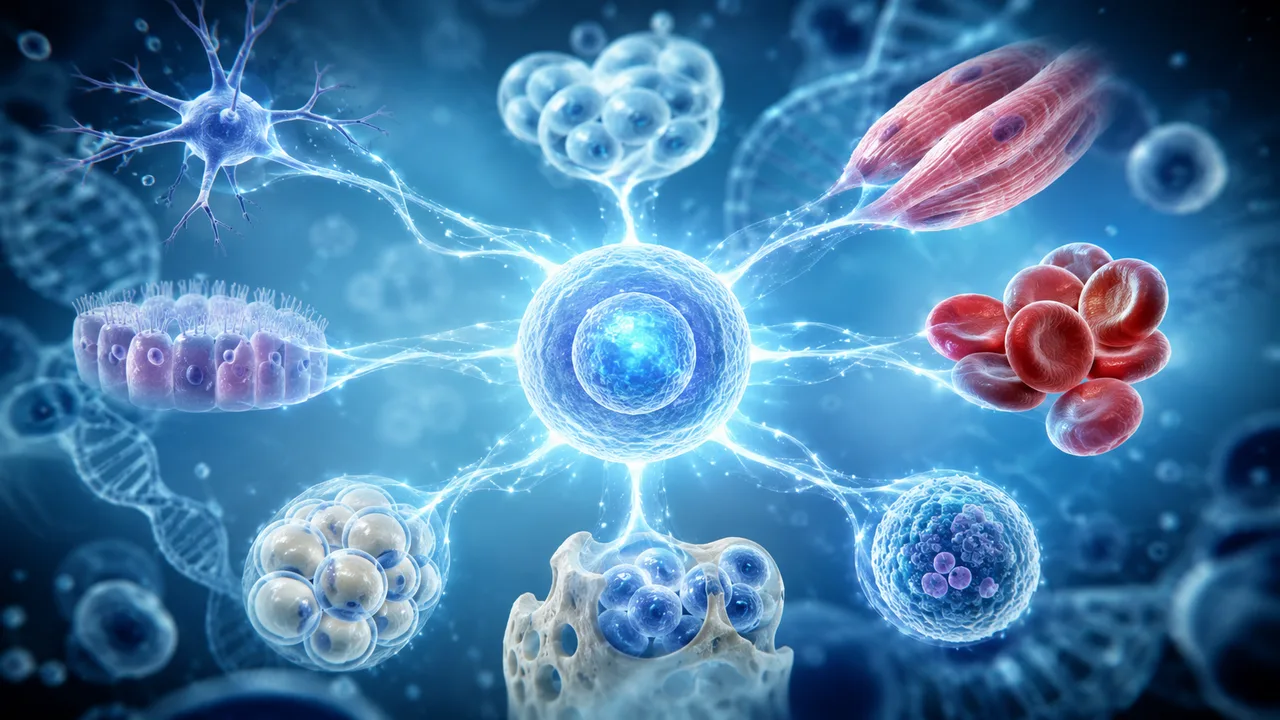
Stem cells are cells capable of self-renewal and of differentiating into specialized cell types under suitable conditions. Because of these properties, stem cells are studied across many fields, such as hematopoietic stem cell transplantation, tissue regeneration, treatment of immune disorders, drug research and precision medicine.
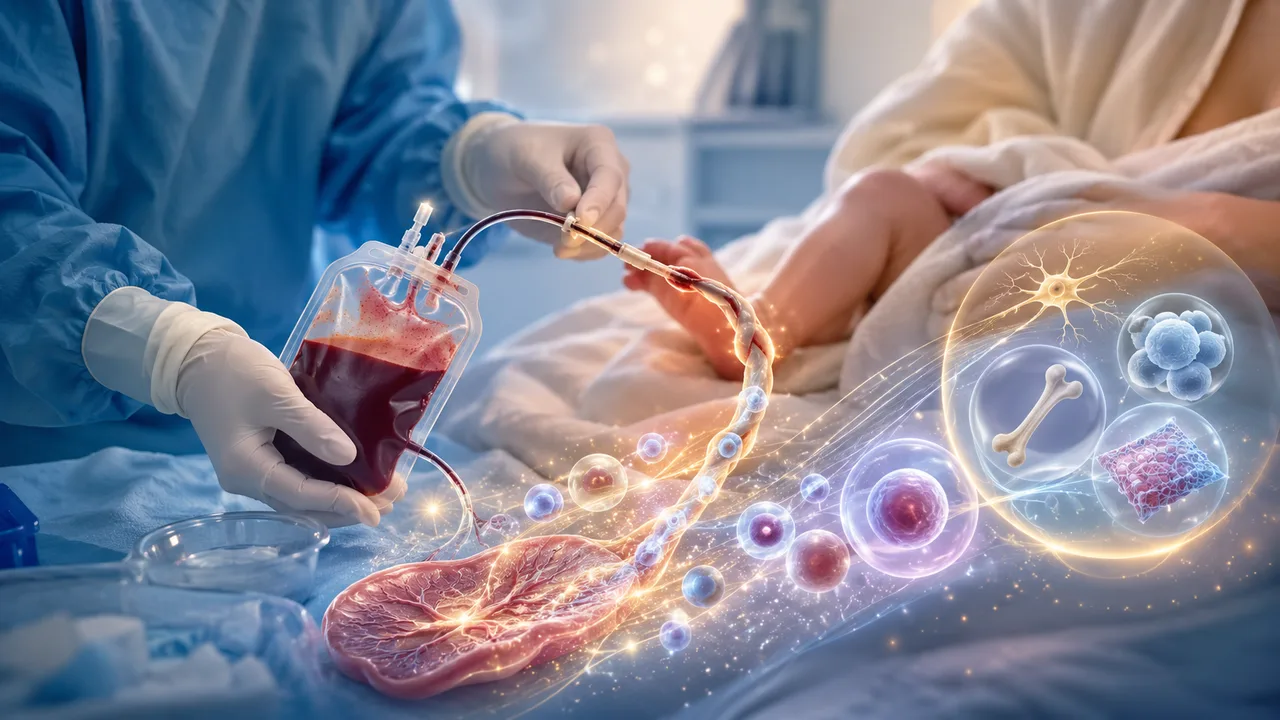
In practice, umbilical cord blood and umbilical cord tissue are regarded as notable biological sources because they can be collected right after birth without affecting the mother or the baby. This is a unique window to store a cell source with potential future use, should an appropriate medical indication arise.
However, the value of stem cells does not lie in promising to treat every disease. Their true value lies in the ability to store a biological resource that is processed, quality-controlled and preserved according to strict standards.
What does a closed-loop stem cell ecosystem model include?
A complete stem cell ecosystem typically comprises several closely interconnected components.
1. Collecting the biological sample at the right time
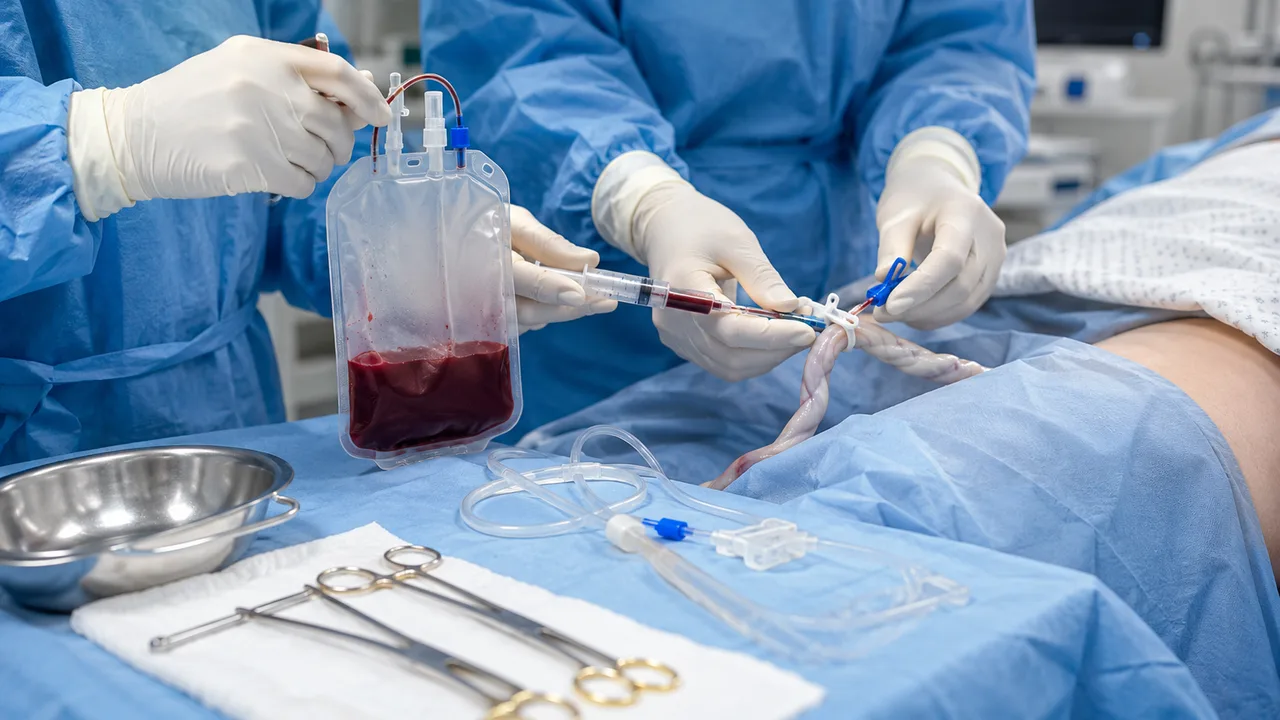
Stem cells can be sourced from umbilical cord blood, umbilical cord tissue, bone marrow, peripheral blood or adipose tissue, depending on the clinical objective.
For umbilical cord blood and cord tissue, collection is usually performed immediately after the baby is born. This procedure must be carried out by trained personnel, ensuring sterility, correct technique and no interference with the birthing process.
2. Transporting and processing the sample
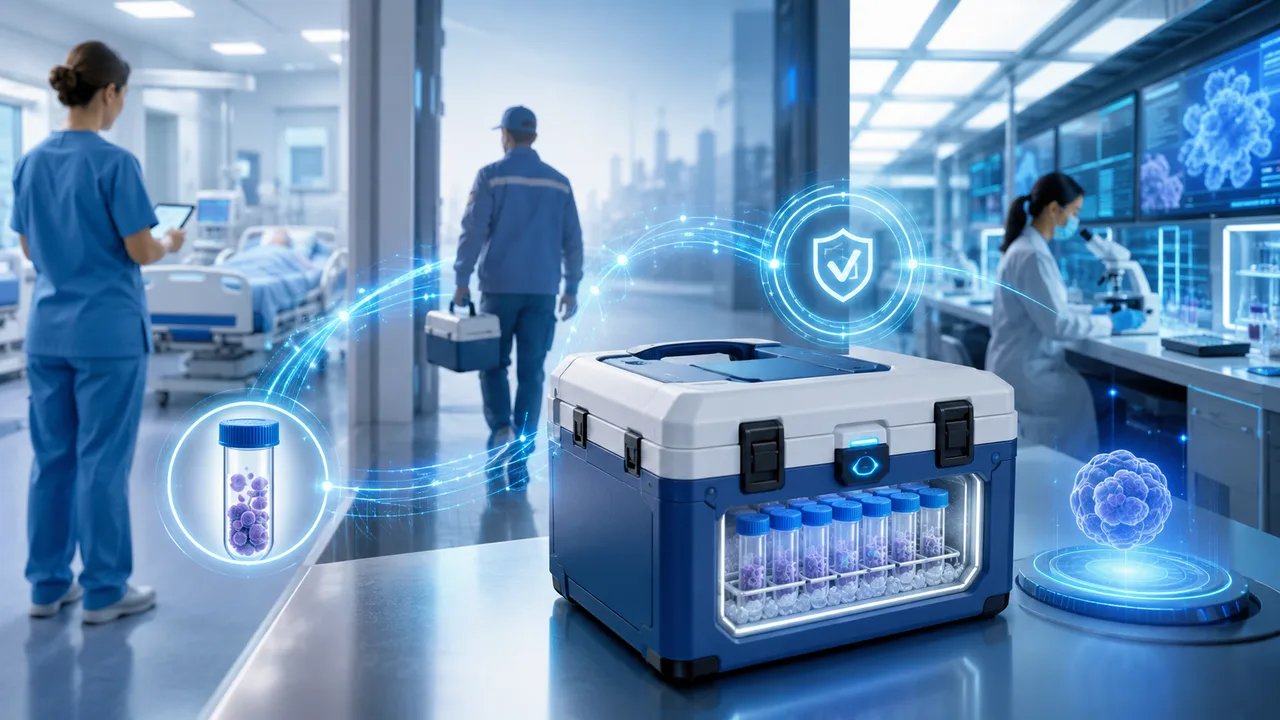
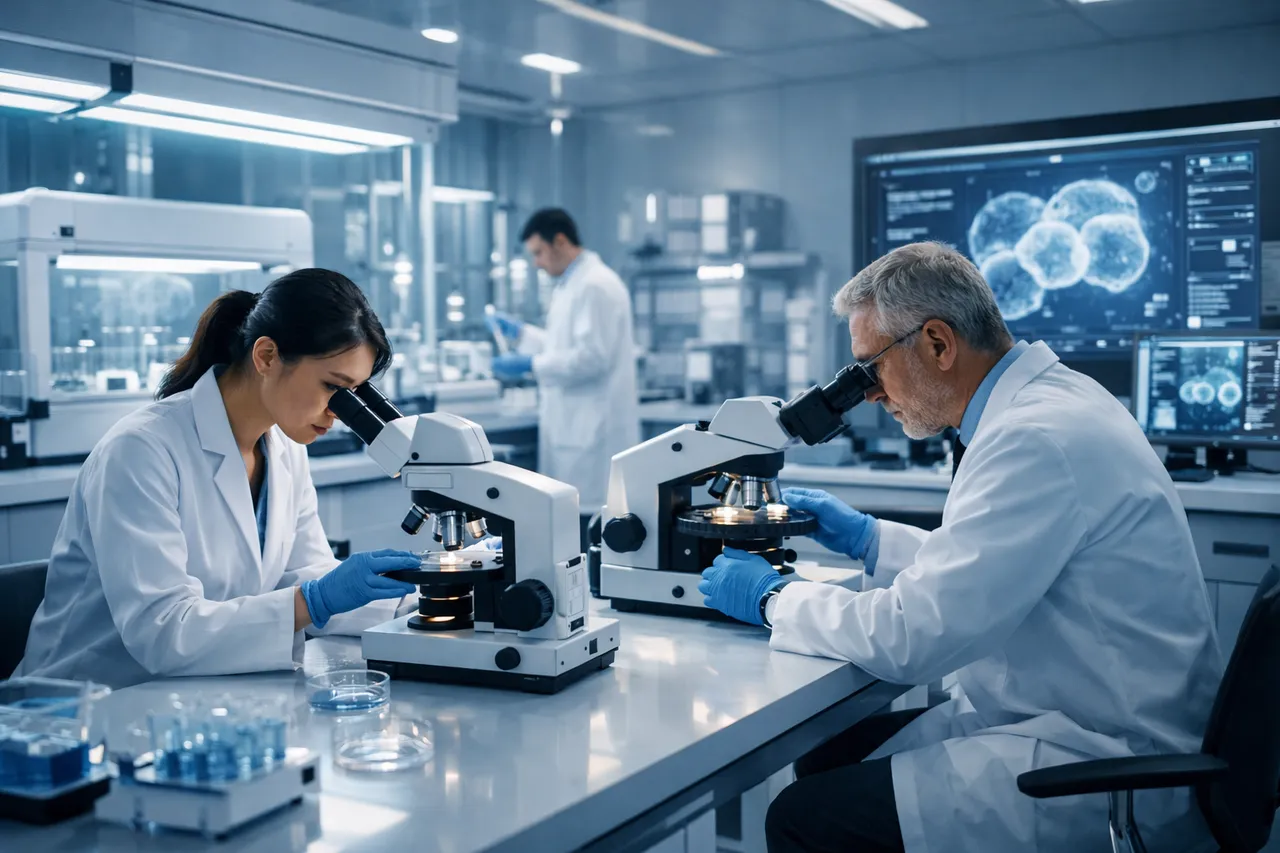
After collection, the biological sample must be transported under suitable conditions to maintain its quality. In the processing laboratory, the cells are isolated, evaluated and prepared for the subsequent testing steps.
Controlling the time, temperature, transport environment and processing procedure has a direct impact on the quality of the stored sample.
3. Cell quality control
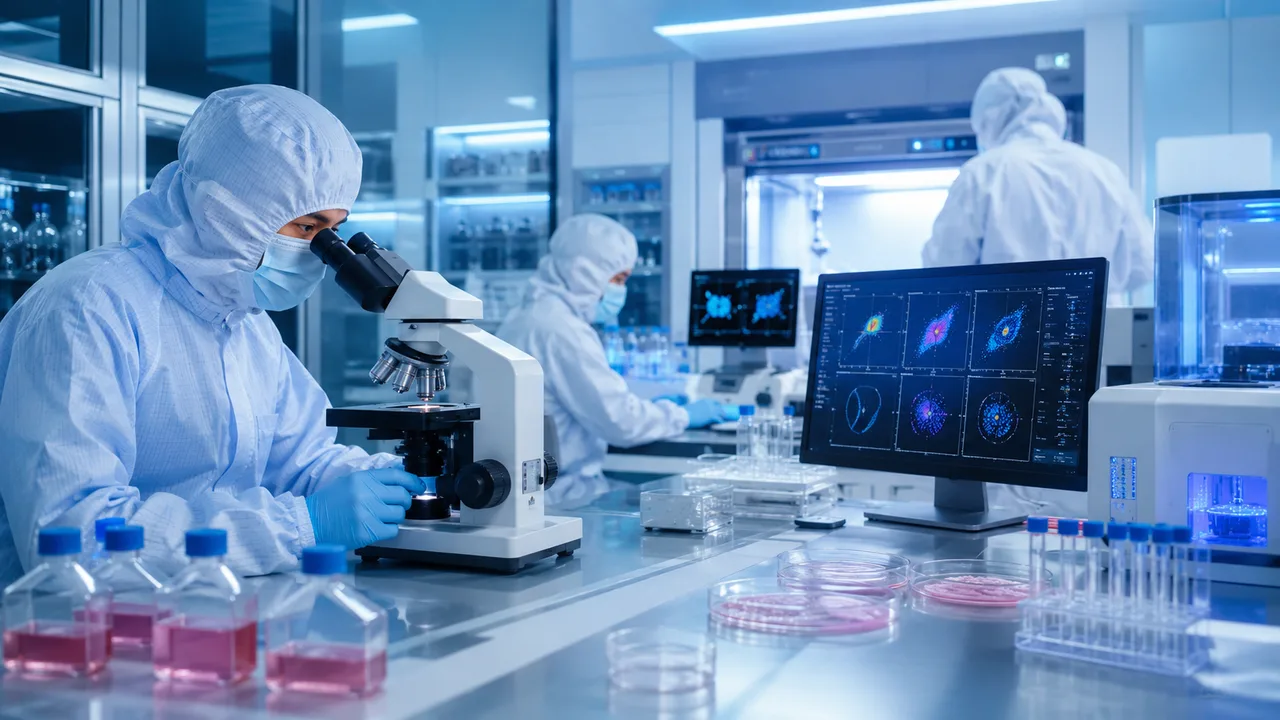
This is one of the most important steps. The cell sample must be evaluated against criteria such as viability, cell count, purity, risk of microbial contamination and other relevant biological characteristics.
A professional cell bank must have clear quality-control procedures, a complete record-keeping system and the ability to trace the origin of each sample.
4. Advanced testing and HLA typing
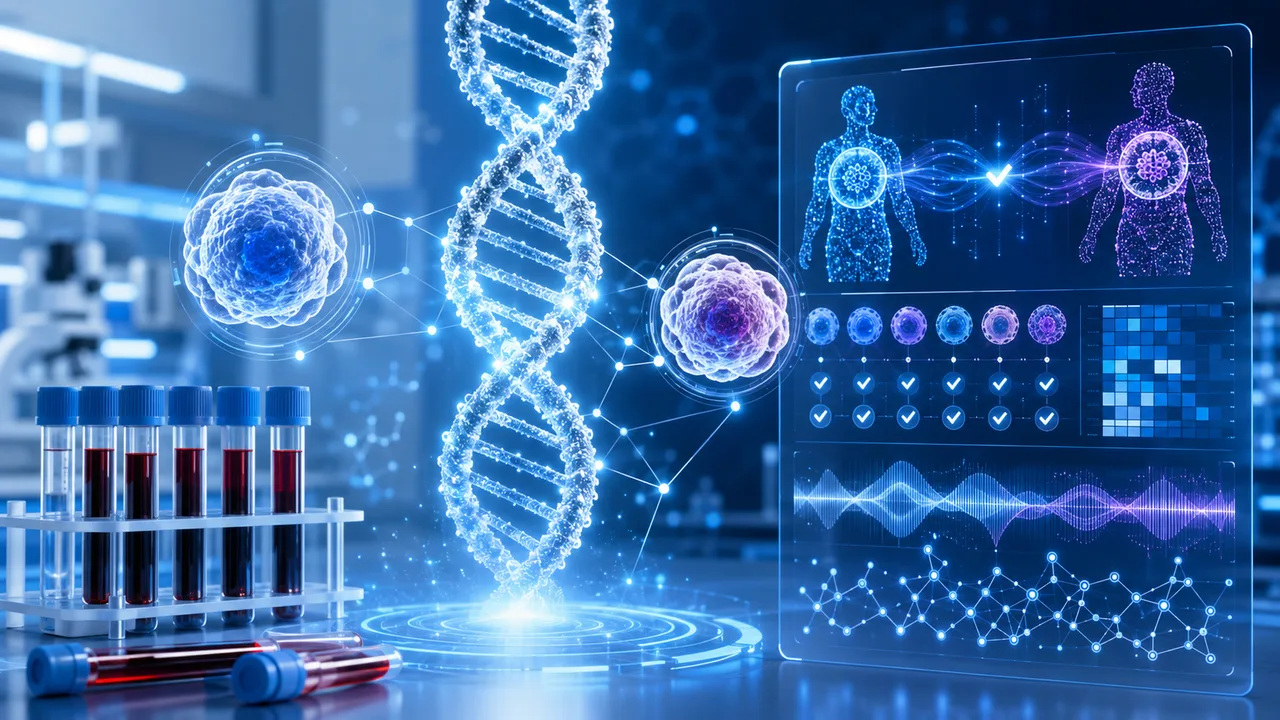
In some cases, umbilical cord blood stem cells may undergo HLA typing. This is an important test that helps assess the degree of immune compatibility between donor and recipient in situations where hematopoietic stem cell transplantation is indicated.
HLA information can support the search for and selection of a suitable cell source, particularly in the treatment of certain hematologic, immune or blood cancer conditions.
5. Cryogenic storage and sample data management
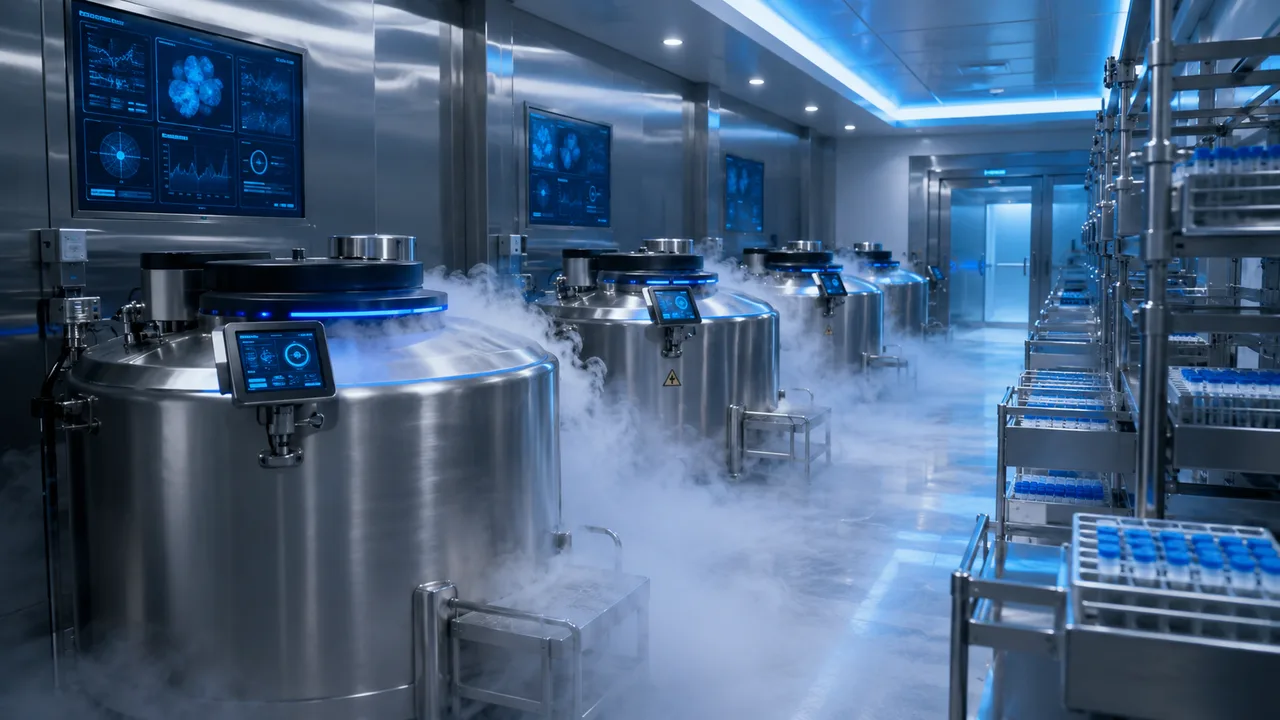
After processing and quality control, cells can be preserved in a cryogenic environment, typically using vapor-phase liquid nitrogen or another suitable system.
Each sample must be assigned a unique identification code, with a tracking record, stored data and a mechanism for periodic checks. This helps ensure the sample can be clearly traced throughout the entire storage period.
Benefits of the closed-loop model in stem cell storage
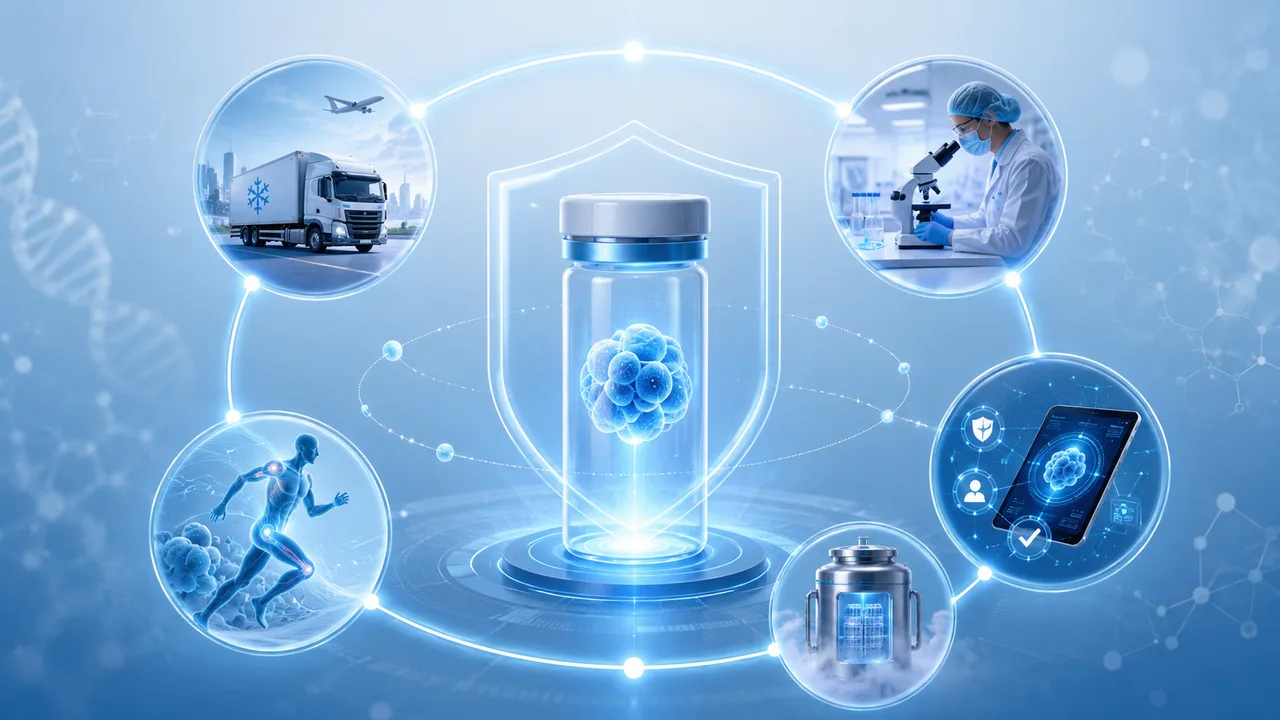
The closed-loop model delivers more value than handling each stage in isolation.
Reducing risks during transport
When collection, processing and storage are connected within a single unified system, the sample turnaround time can be optimized. This helps reduce the risk of information errors, lowers risks during handover and protects the quality of the biological material.
Enhancing quality control
An end-to-end system enables better control of conditions from intake to storage. Information such as the collection time, transport conditions, test results and storage location can be managed in a synchronized manner.
Facilitating sample retrieval
When a sample is needed for use, it must have clear records of its origin, quality results and preservation history. The closed-loop model increases transparency, reduces errors and supports faster retrieval.
Building a foundation for regenerative medicine
A cell bank is not merely a place to preserve biological material. When combined with genetic testing, cell technology, scientific research and clinical systems, it can become a foundation for future regenerative medicine solutions and personalized health care.
The role of tissue banks and stem cell centers
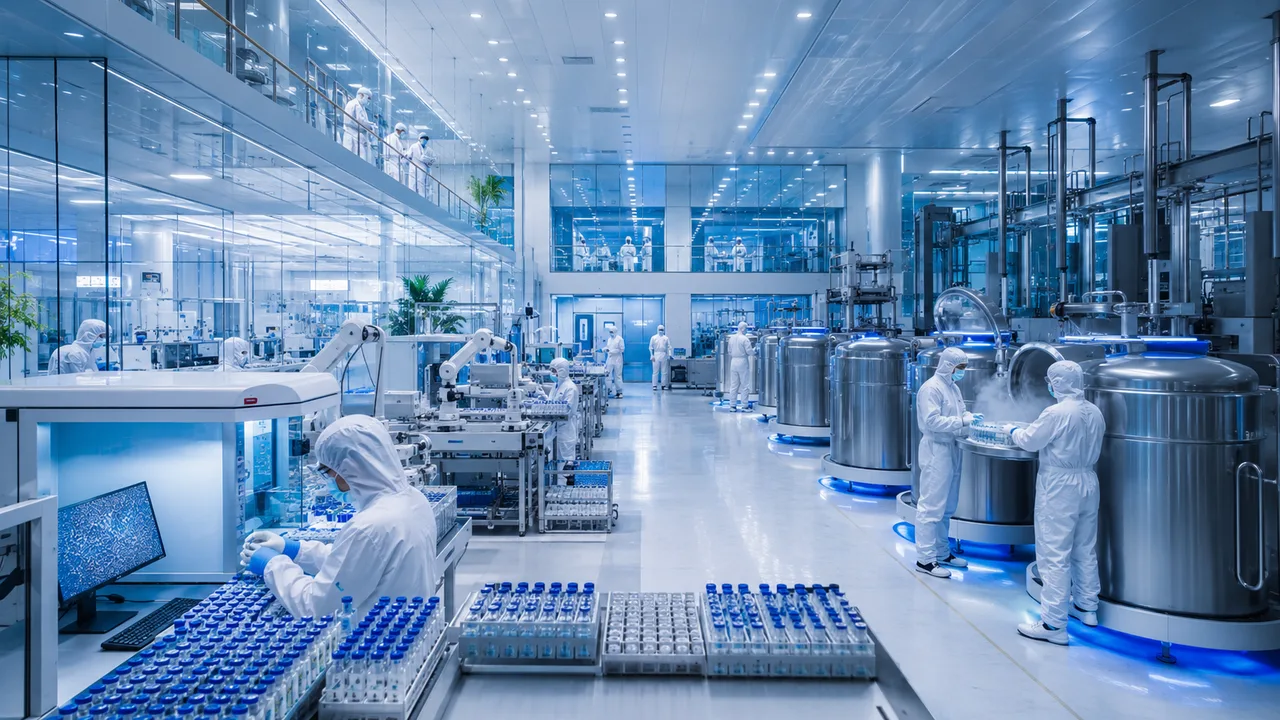
Tissue banks and stem cell centers play an important role in ensuring that cells are processed and stored according to professional standards.
A capable facility needs to meet many requirements, such as:
- Clear collection and transport procedures.
- A processing laboratory meeting appropriate cleanroom standards.
- Storage equipment with continuous temperature monitoring.
- A system for data management and sample traceability.
- Personnel with expertise in cell technology.
- Procedures for infection control and quality control.
- Mechanisms for monitoring, maintenance and incident response.
Beyond storage activities, these centers can also contribute to research, training, professional collaboration and the development of cell technology in Vietnam.
The stem cell ecosystem and the trend toward personalized medicine
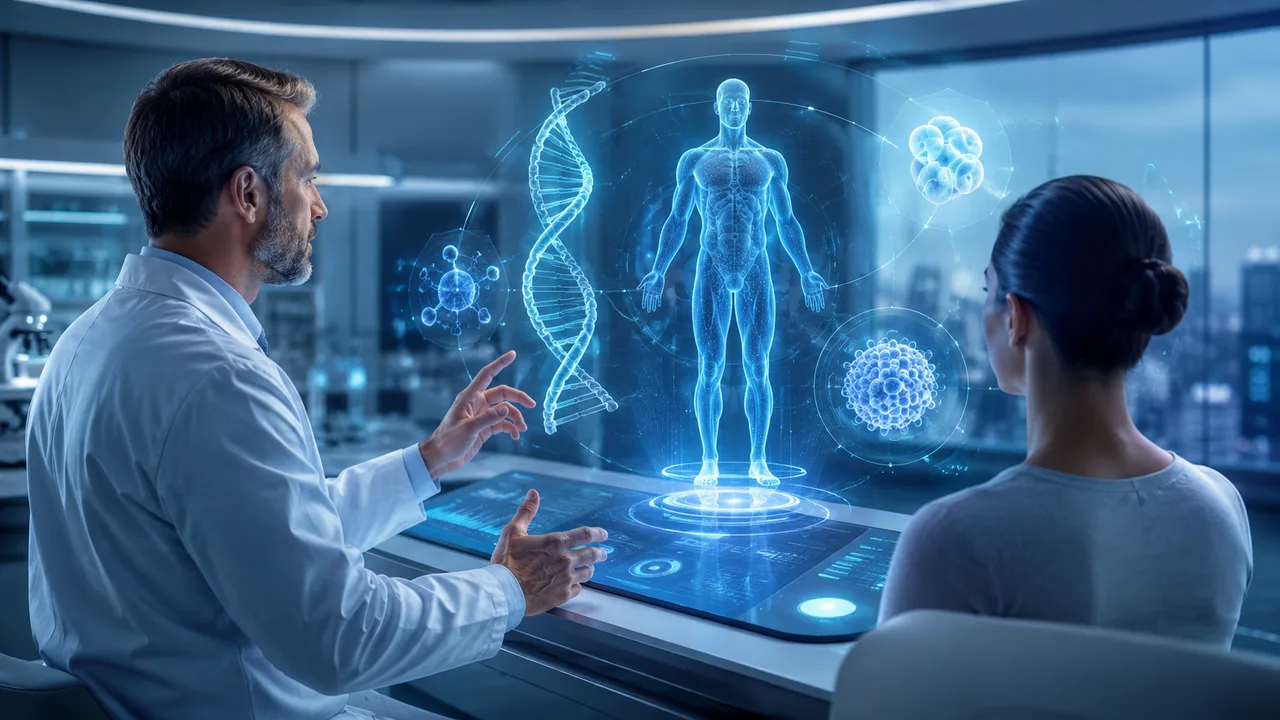
Modern medicine is shifting from treating disease once it has appeared toward proactive prevention, early detection and personalized health care.
Within this trend, stem cells, genetic data and biological markers can become part of a long-term health profile. When managed systematically, biological data gives physicians additional information to assess disease risk, choose monitoring methods and develop an appropriate care strategy.
However, the use of stem cells in treatment must still be based on professional indications, scientific evidence and legal regulations. Storing stem cells does not mean they will certainly be used, or able to treat every disease, in the future.
Criteria to consider when choosing a stem cell storage service

Before choosing a stem cell storage provider, customers should carefully consider the following factors:
- What is the cell source being stored: umbilical cord blood, cord tissue or another source?
- Does the collection procedure ensure safety for both the mother and the baby?
- How long does it take to transport and process the sample?
- Are quality checks and microbiological testing performed?
- Is the storage system continuously monitored?
- Does each sample have its own identification code and traceability record?
- Does the facility have adequate cleanroom capacity, equipment and personnel?
- What are the policies for storage, renewal and handling when the sample needs to be used?
- Does the provider give transparent advice about the real-world limits of stem cell applications?
Choosing the right provider helps families clearly understand the value, scope of application and responsibilities of each party throughout the long-term storage process.
Conclusion
The closed-loop stem cell ecosystem is an important model in the evolving landscape of regenerative medicine and proactive health care. This model connects collection, processing, quality control, testing, storage and cell data management within a single unified specialized chain.
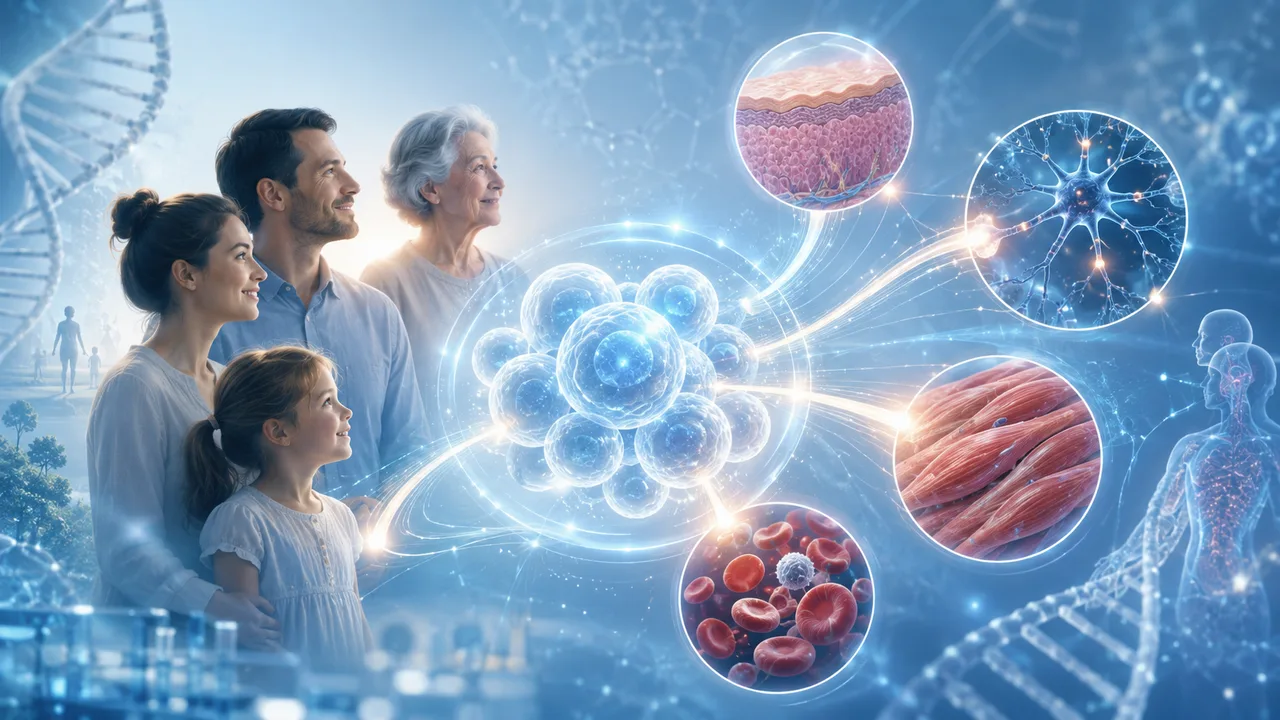
When properly invested in, this ecosystem not only improves the quality of biological storage but also helps build a foundation for personalized medicine, cell technology research and future health care solutions.
Nonetheless, users should approach the service with a realistic perspective: stem cells are a biological resource rich in potential, but every therapeutic application must be based on professional indications, scientific evidence and rigorous quality-control procedures.