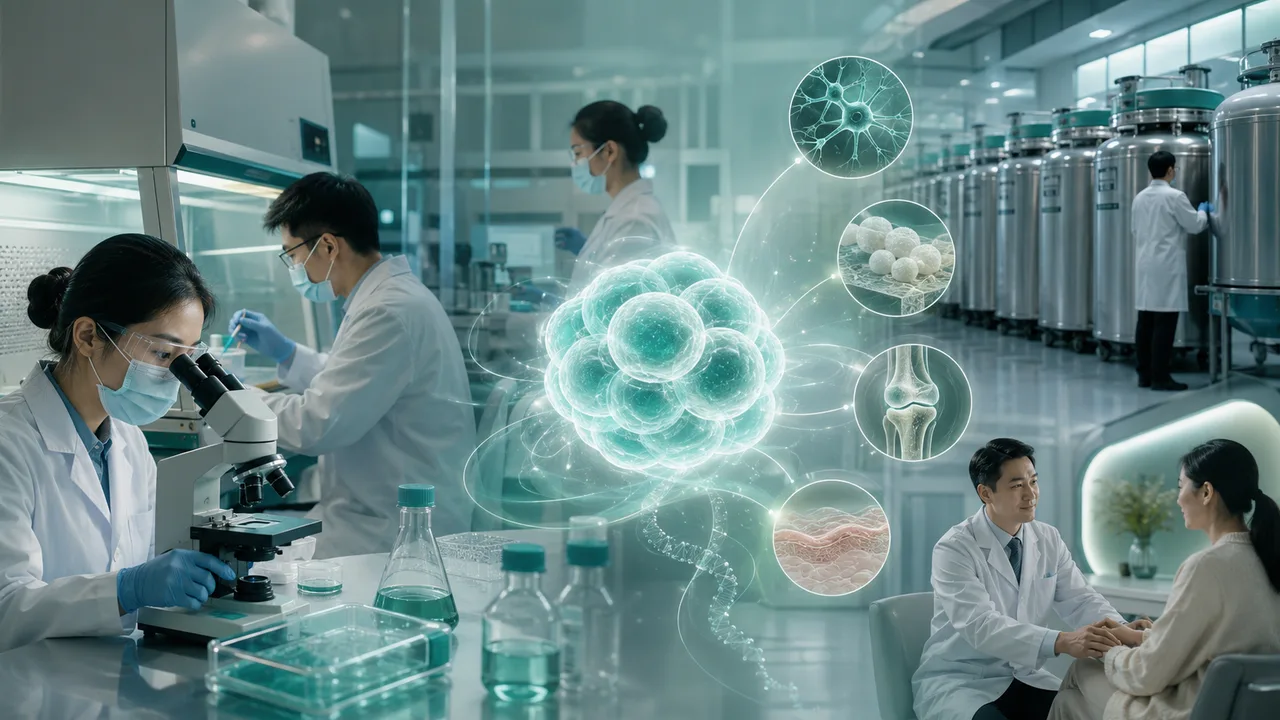
ODB Cell Technology & Quality Control: A Safe Foundation for Regenerative Medicine
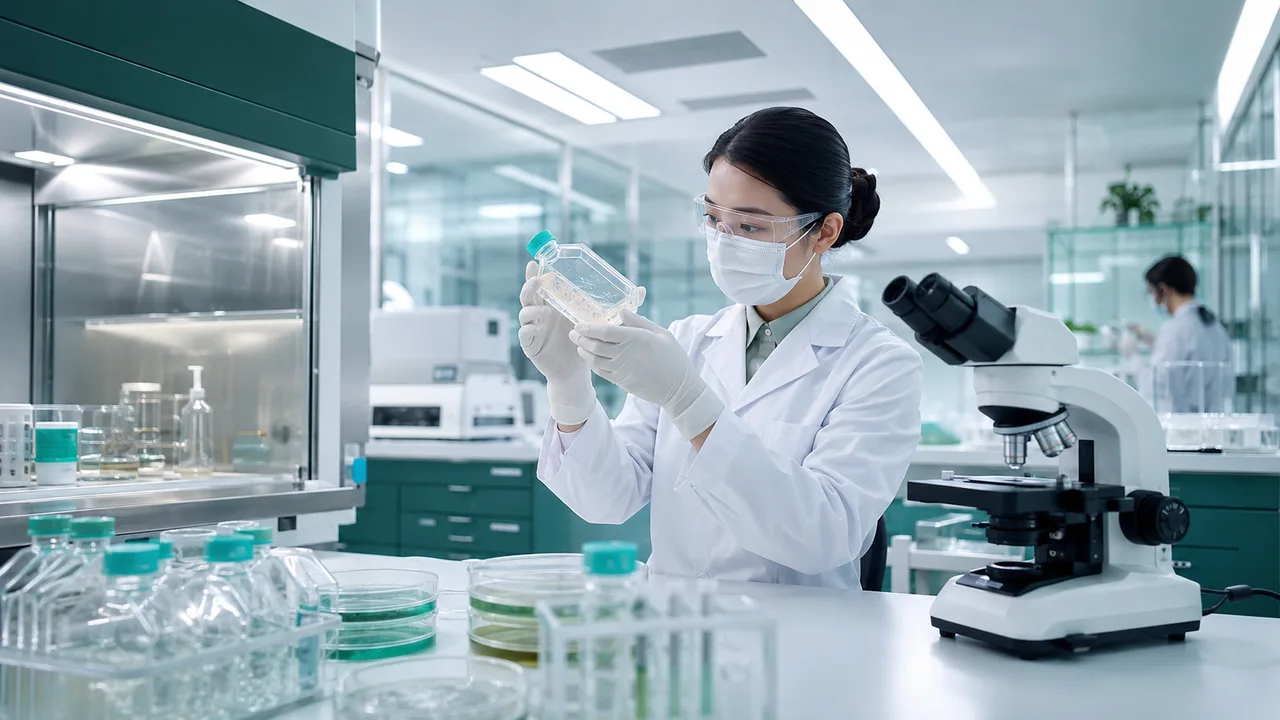
Why are cell technology and quality control a key reason to choose ODB?
In regenerative medicine and cell technology, quality does not reside in the final result alone; it begins with every step of the process: sample collection, transport, processing, culturing, testing, storage, and data management.
At ODB, cell technology and quality control are regarded as one of the essential foundations for building a regenerative medicine ecosystem that is safe, transparent, and sustainable in its applications. This is also one of the reasons clients and partners choose ODB: every process is approached in a standardized, controlled, and traceable way.
Rather than focusing only on the outward-facing services, ODB emphasizes building the capabilities behind them: the laboratory system, sample-processing workflows, quality testing, and the management of biological samples according to professional standards.
Cell technology is the foundation of regenerative medicine
Cell technology is the field concerned with the collection, isolation, culturing, preservation, and evaluation of cells that carry biological value. In regenerative medicine, it plays a key role in research on stem cells, cell secretions, exosomes, immunology, and solutions that support tissue repair.
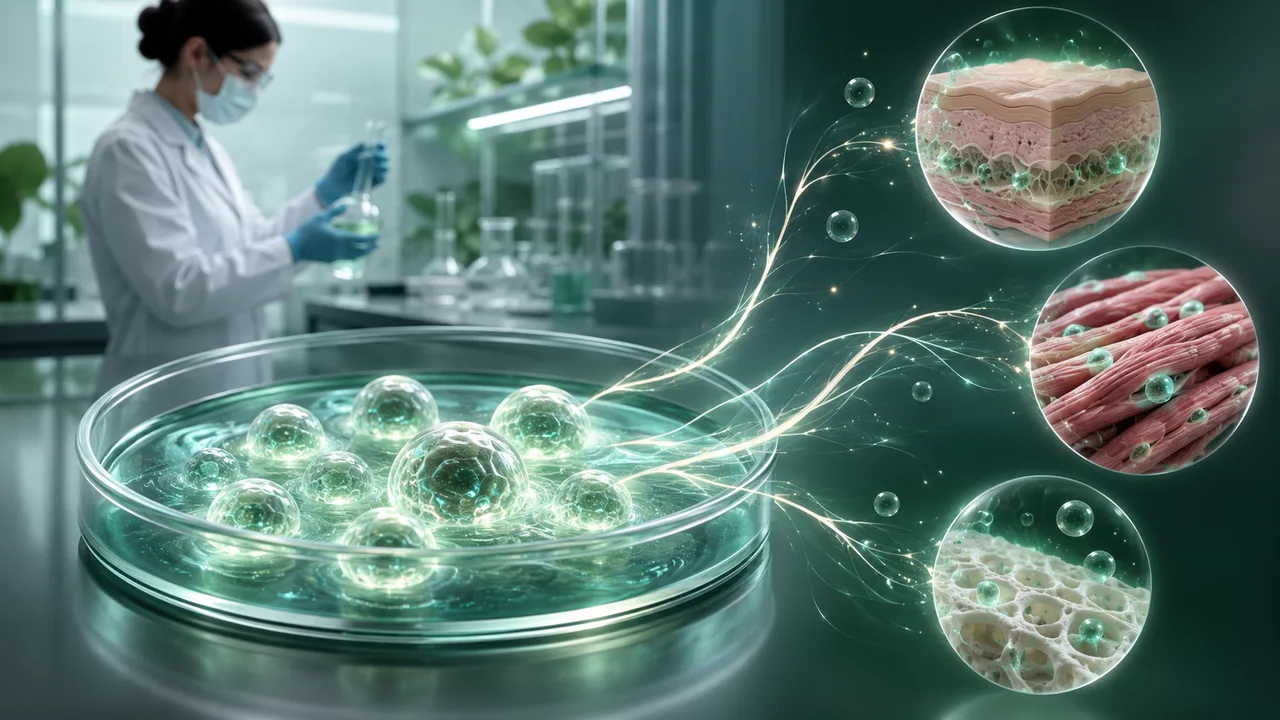
At ODB, cell technology is developed according to scientific and prudent principles. Each type of biological sample must be handled under appropriate conditions to minimize the risk of contamination, deviation, or quality degradation.
Mastering cell technology enables ODB to progressively build a solid professional foundation for research, training, collaboration, and the development of services related to regenerative medicine.
A laboratory system designed for tightly controlled processes
A laboratory system serving cell technology must meet stringent requirements for its environment, equipment, procedures, and personnel. It is where biological samples are received, processed, monitored, and evaluated before moving on to subsequent steps.
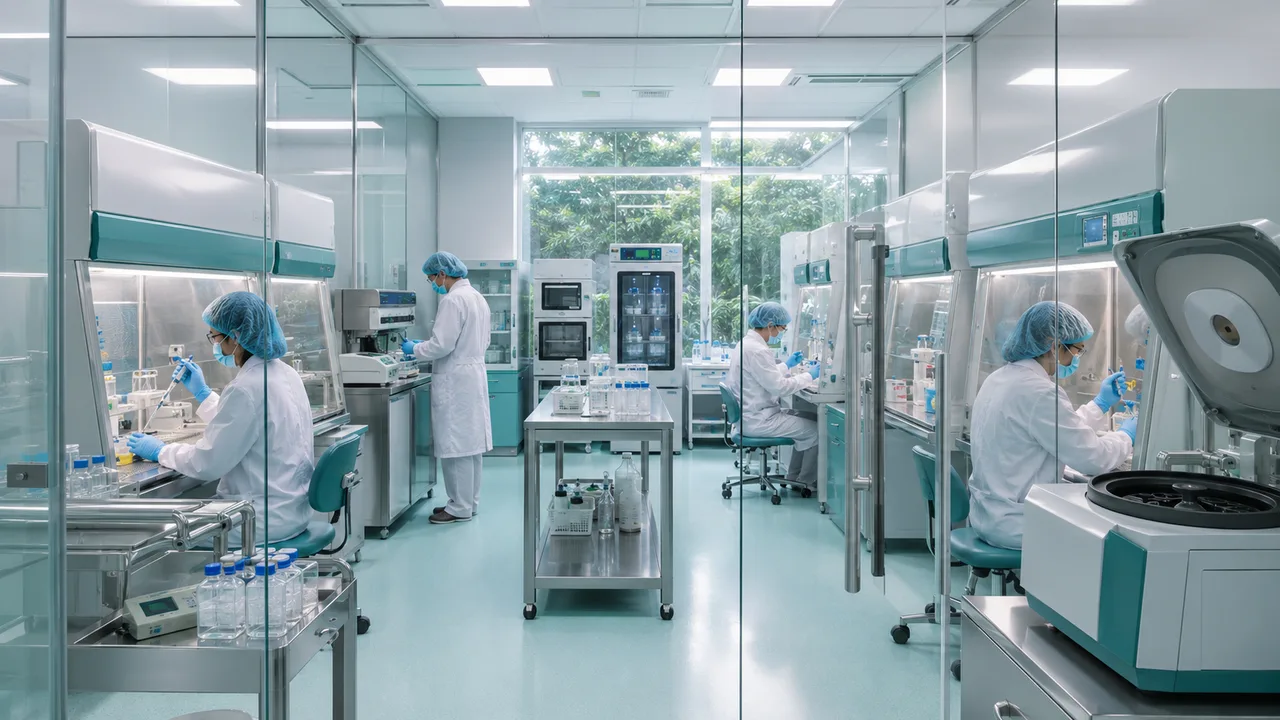
ODB aims to build a laboratory system with clearly defined functional areas, helping to reduce the risk of cross-contamination and ensure consistency in every operation. Laboratory activities must follow standard procedures, from preparing consumables and checking equipment to working within biosafety cabinets and recording data after processing.
Tight control within the laboratory is an important factor in protecting sample quality and increasing the reliability of the entire process.
Sample processing following a standardized workflow
Each biological sample has its own value and must be processed under the correct, appropriate conditions. The sample-processing workflow may include reception, information verification, isolation, centrifugation, culturing, assessment of cell morphology, preservation, or preparation for quality-testing steps.
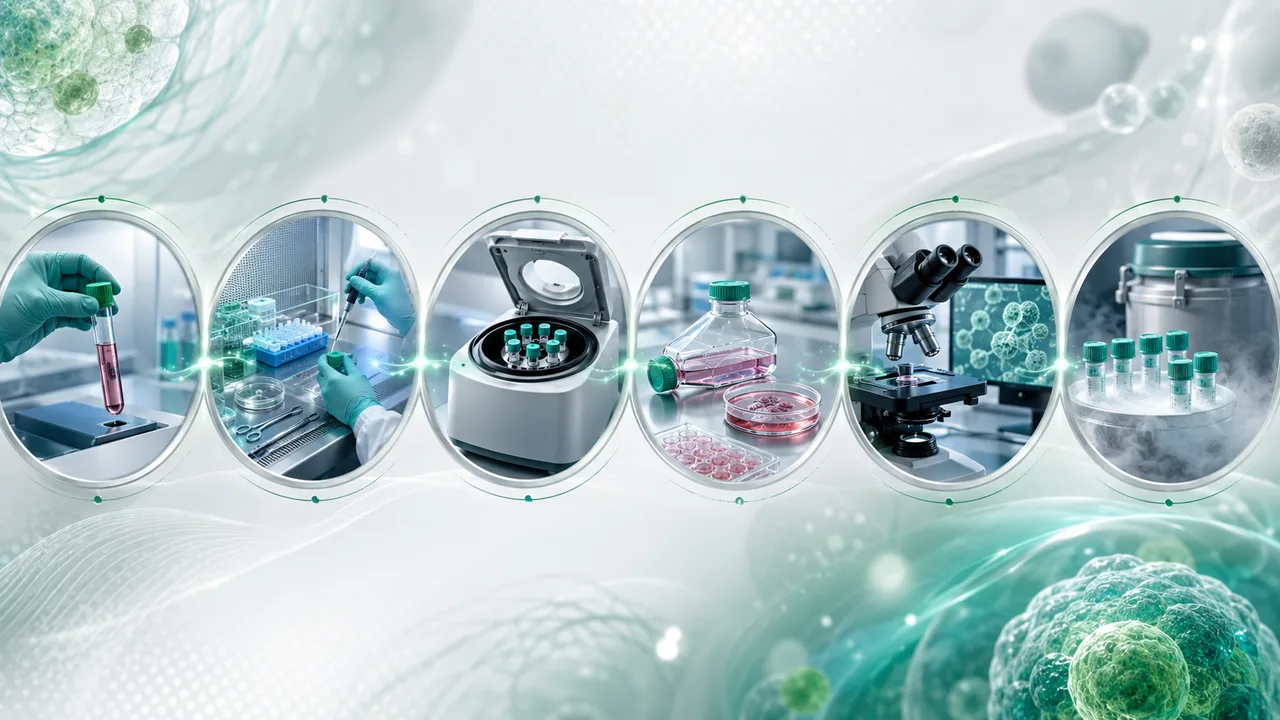
At ODB, the sample-processing workflow is guided by the following principles:
- The right sample.
- The right procedure.
- The right conditions.
- The right timing.
- The right documentation.
- Traceable whenever necessary.
Standardizing the workflow helps reduce errors, improve consistency, and support quality control at every stage.
Sterility testing: a core element of biosafety
In cell technology, the risk of microbial contamination is one of the key risks that must be controlled. Sterility testing helps detect the presence of bacteria, fungi, or other unwanted agents in the sample or in the processing environment.
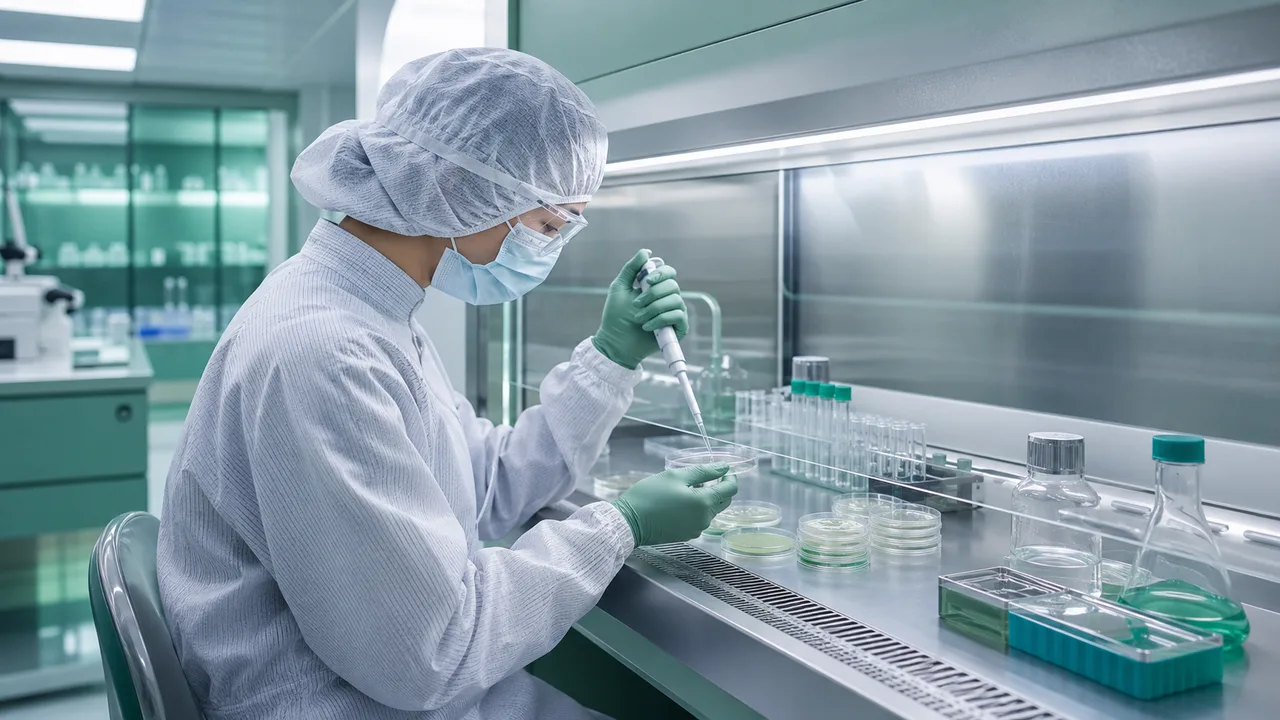
This is a necessary step to ensure that a biological sample is assessed for safety before it is further stored, used in research, or applied according to professional indications.
At ODB, sterility control does not rest on the final test alone; it begins across the entire operational process: cleaning work areas, controlling consumables, using correct technique, managing the laboratory environment, and training personnel.
Endotoxin testing: ensuring safety at the biological level
Endotoxins are components originating from Gram-negative bacteria that can trigger adverse biological reactions if they exceed permissible limits. Endotoxin testing is therefore an important criterion in assessing the safety of certain products or samples related to biotechnology.
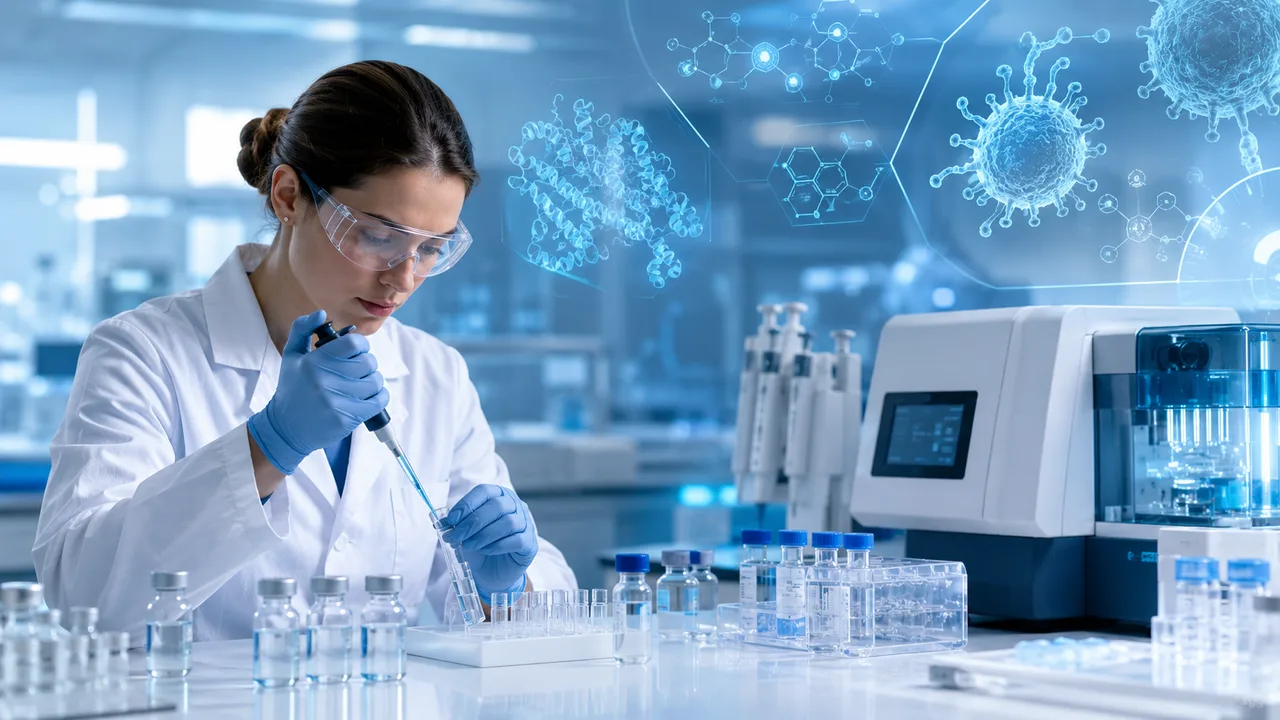
Controlling endotoxins increases the level of safety across the research, production, and development of cell-related applications.
ODB aims to build a quality-evaluation system that goes beyond cell morphology or cell count to also address the necessary biosafety parameters.
Mycoplasma testing: detecting hard-to-spot contamination
Mycoplasma is one of the most common contaminants in cell culture, yet it is difficult to detect through ordinary observation. Mycoplasma contamination can alter cell characteristics, affect research results, and reduce the reliability of the process.
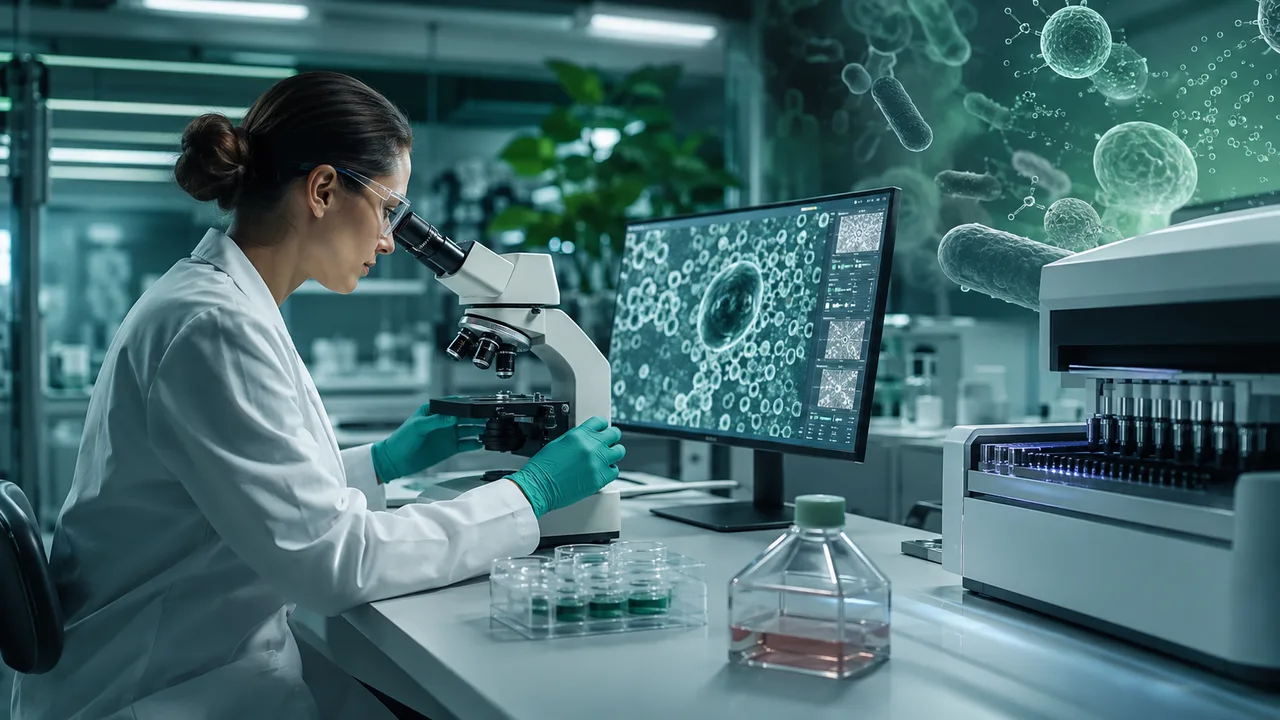
For this reason, mycoplasma testing is an important step in the cell quality-control system. Early detection helps limit the risk of the contamination spreading, protects the sample source, and ensures accuracy in research or application activities.
At ODB, mycoplasma control is regarded as part of a comprehensive quality-management strategy for cell samples.
Standardized sample management: clear traceability, transparent data
Sample management is not merely keeping samples in storage equipment. It is the process of controlling all the information associated with a sample, including its origin, collection time, transport conditions, processing results, quality-test results, storage location, and handling history.
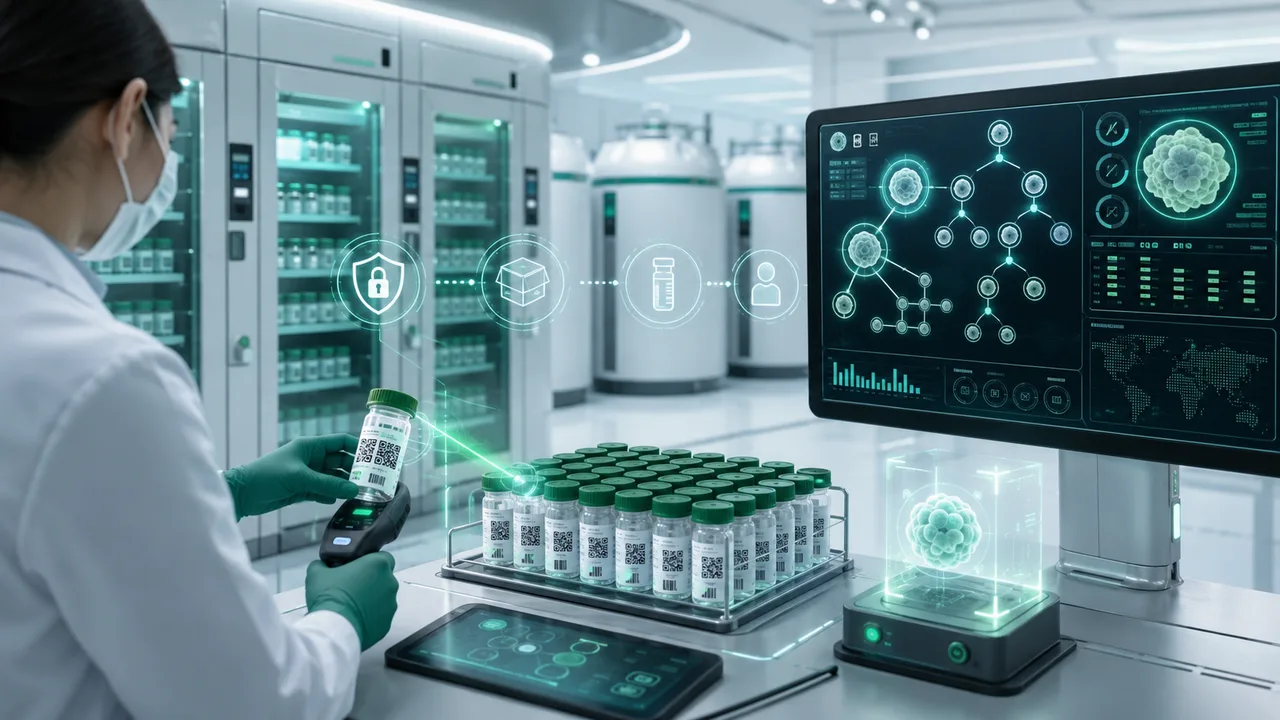
A good sample-management system helps to:
- Reduce mix-ups.
- Improve traceability.
- Ensure transparency.
- Support internal audits.
- Provide a foundation for long-term research and application.
At ODB, standardized sample management is an important factor that connects cell technology, the storage bank, quality control, and other professional activities within the regenerative medicine ecosystem.
Personnel trained with a quality-first mindset
Modern technology delivers its value only when it is operated by personnel with the right expertise and a quality-control mindset. In the laboratory, even the smallest action can affect the final result.
ODB emphasizes training personnel in aseptic technique, record keeping, equipment operation, risk identification, deviation handling, and procedure compliance. This is the foundation for building a culture of quality throughout the entire system.
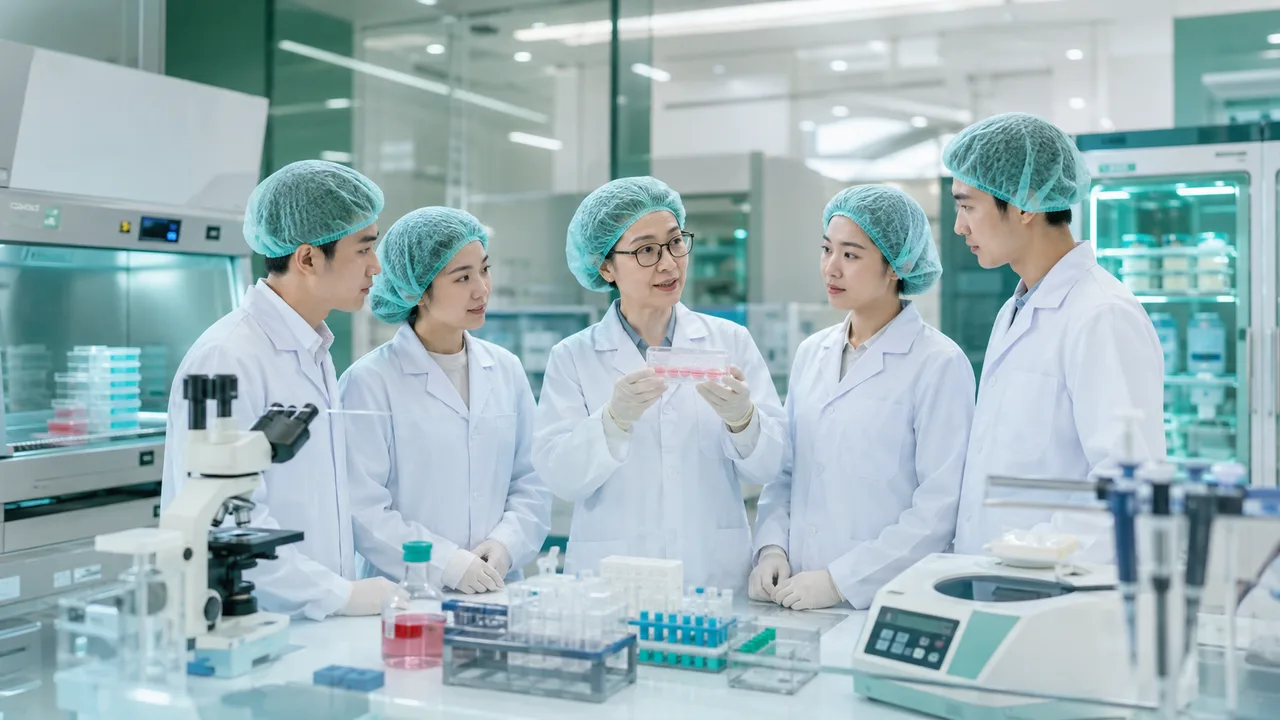
The combination of people, equipment, and procedures helps ODB enhance the stability, safety, and professionalism of its cell-technology operations.
Cell technology connected to the ODB ecosystem
What sets ODB apart is the way it connects cell technology with the other components of the regenerative medicine ecosystem. The laboratory and quality-control systems do not operate in isolation; they support research, sample storage, technology development, professional training, and personalized healthcare.
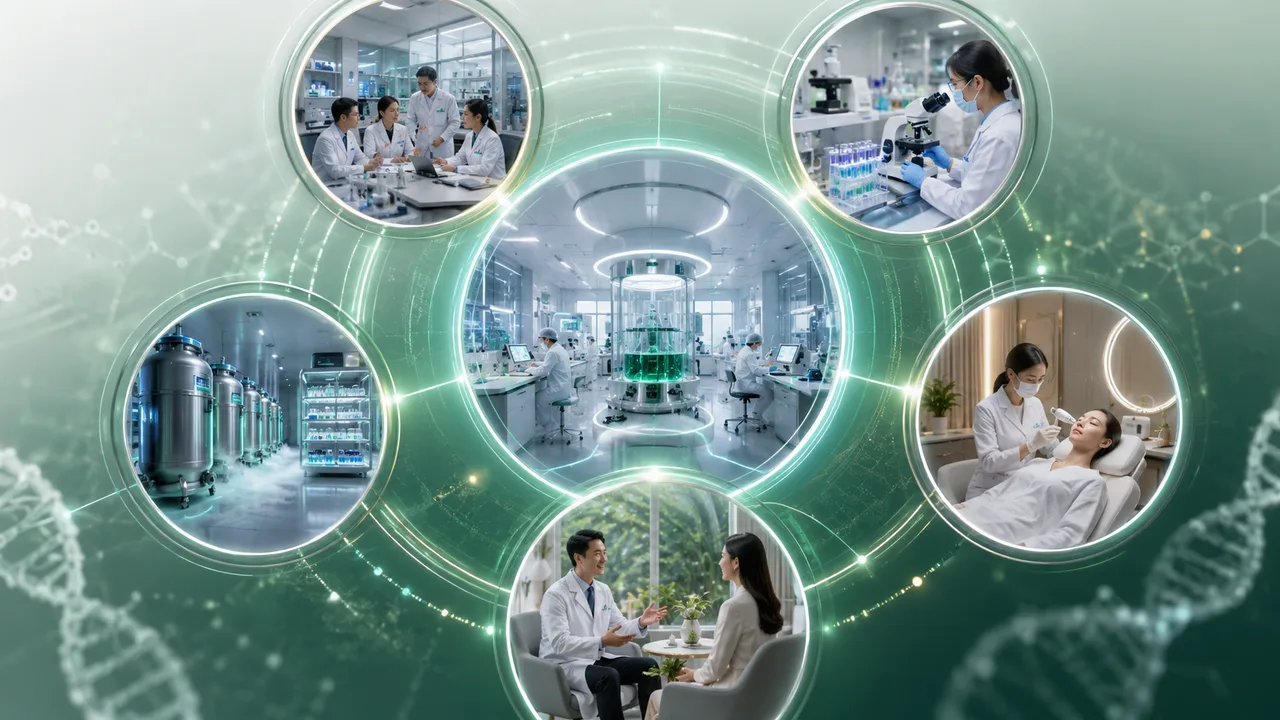
On this foundation, ODB can gradually build a value chain running from research to practical application, moving toward regenerative medicine solutions that are responsible, safe, and aligned with future development needs.
ODB's commitment: standardization, safety, and transparency
In cell technology, trust must be built from the process itself. ODB develops its quality-control system based on the principles of standardized operations, risk control, complete record keeping, clear traceability, and transparent information.
This is an important commitment that enables ODB not only to provide services but also to build a sustainable scientific and technological foundation for regenerative medicine in Vietnam.
Choosing ODB means choosing an ecosystem where quality is controlled from within, beginning with the laboratory, the cell samples, and every step of the professional process.

Disclaimer
The information in this article is intended to introduce our professional and technological direction. It is not a substitute for consultation, diagnosis, or treatment recommendations from a specialist physician. Services related to stem cells, cell technology, or regenerative medicine must be assessed on the basis of each specific condition, professional protocols, and current regulations.