Stem Cells & Regenerative Medicine at ODB: A Technology Platform for Tissue Repair and Future Healthcare
What are stem cells and regenerative medicine?
Stem cells and regenerative medicine form a field that combines cell biology, biotechnology, immunology, tissue engineering, and clinical medicine to study solutions that support the repair, regeneration, and functional improvement of damaged tissues and organs.
Stem cells are cells capable of self-renewal and of differentiating into specialized cell types under appropriate conditions. Because of these properties, stem cells are widely studied in areas such as tissue repair, the treatment of hematological disorders, proactive healthcare, regenerative dermatology, and personalized medicine.
At ODB, stem cells and regenerative medicine are positioned as a core area of expertise that connects scientific research, cell technology, quality control, the specialized clinic, and international collaboration.
Why are stem cells and regenerative medicine a key area of expertise at ODB?
Modern medicine is shifting from a symptom-treatment model toward a deeper approach: understanding the mechanisms of injury at the cellular, tissue, and immune-system levels. Within this trend, stem cells and regenerative medicine open opportunities to develop healthcare solutions grounded in biological repair.
ODB develops the field of stem cells and regenerative medicine in order to build an integrated ecosystem of expertise: from research, sample processing, quality control, and cell storage through to appropriate consultation and application in healthcare.
This is an important distinction for ODB. Instead of approaching stem cells as a standalone service, ODB places cell technology within a controlled system that is scientifically guided and capable of long-term development.
The biological foundation of stem cells
Stem cells have two core properties: self-renewal and differentiation. Self-renewal allows the cells to maintain the original cell pool through many rounds of division. Differentiation allows the cells to develop into certain specialized cell types under suitable conditions.
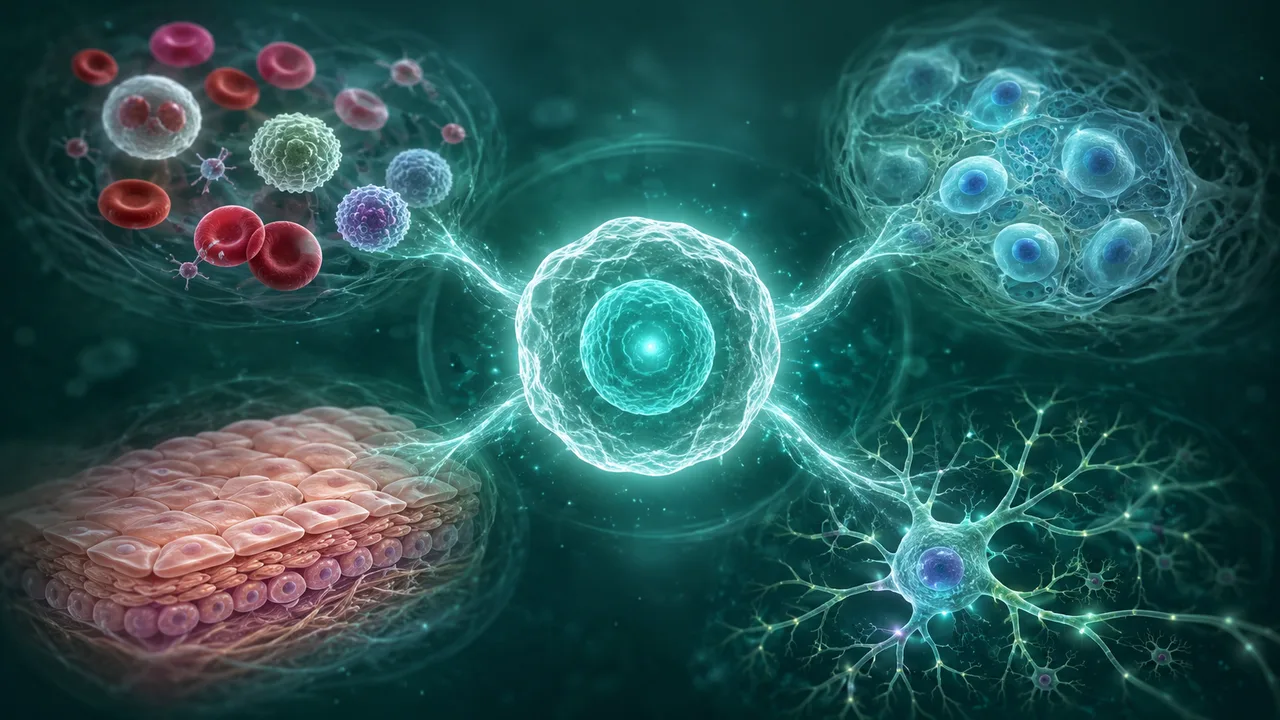
Depending on their origin and differentiation potential, stem cells can be classified into several groups, such as hematopoietic stem cells, mesenchymal stem cells, embryonic stem cells, or induced pluripotent stem cells. Each type has its own biological characteristics, scope of research, and potential applications.
At ODB, a clear understanding of the characteristics of each cell type is the foundation for building appropriate procedures for research, processing, preservation, and quality control.
The role of stem cells in regenerative medicine
In regenerative medicine, stem cells attract attention because they can participate in multiple mechanisms that support tissue repair. Some of the mechanisms commonly studied include:
- Helping to replace or replenish damaged cells.
- Secreting biological factors that help regulate inflammation.
- Promoting the formation of new blood vessels.
- Improving the microenvironment at the site of injury.
- Supporting wound healing and tissue remodeling.
- Modulating the immune response under certain appropriate conditions.
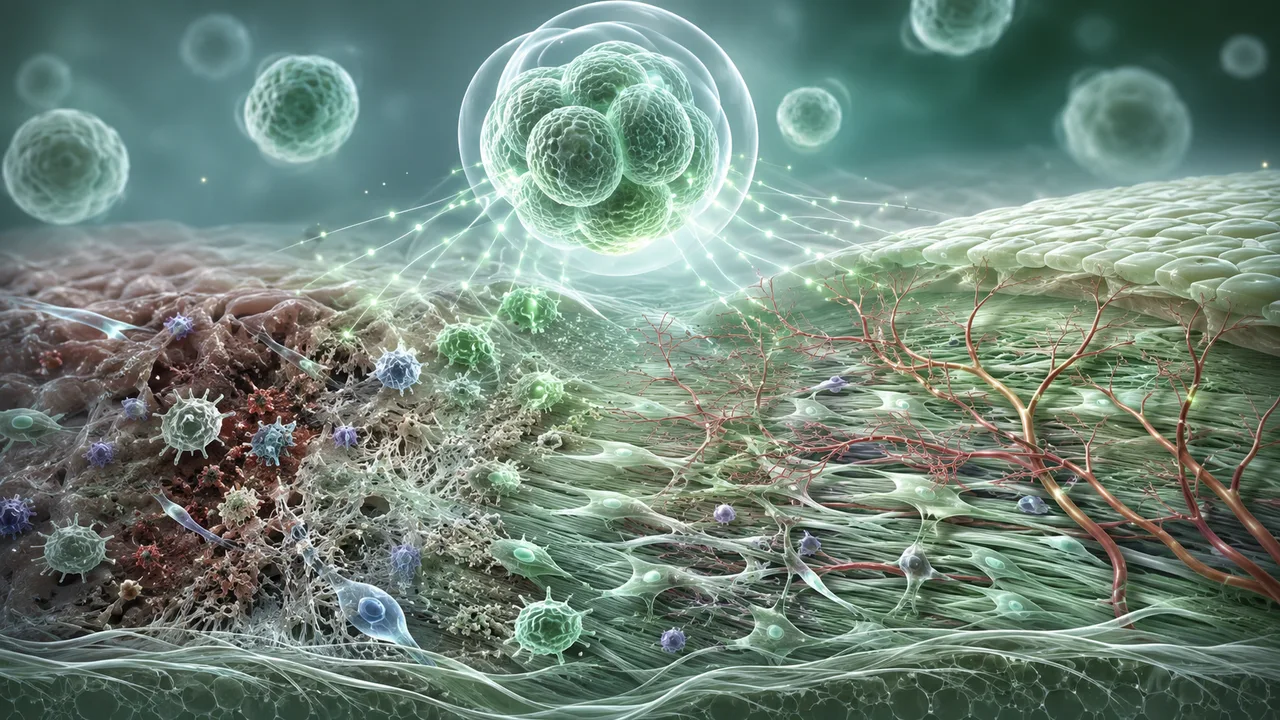
These mechanisms provide the basis for studying stem cells across many fields, such as musculoskeletal conditions, dermatology, tissue repair, hematological disorders, and personalized healthcare.
However, not every stem cell application has become a standard treatment. Each application must be evaluated on the basis of scientific evidence, professional indications, quality-control procedures, and current regulations.
Cell technology as a pillar of the ODB ecosystem
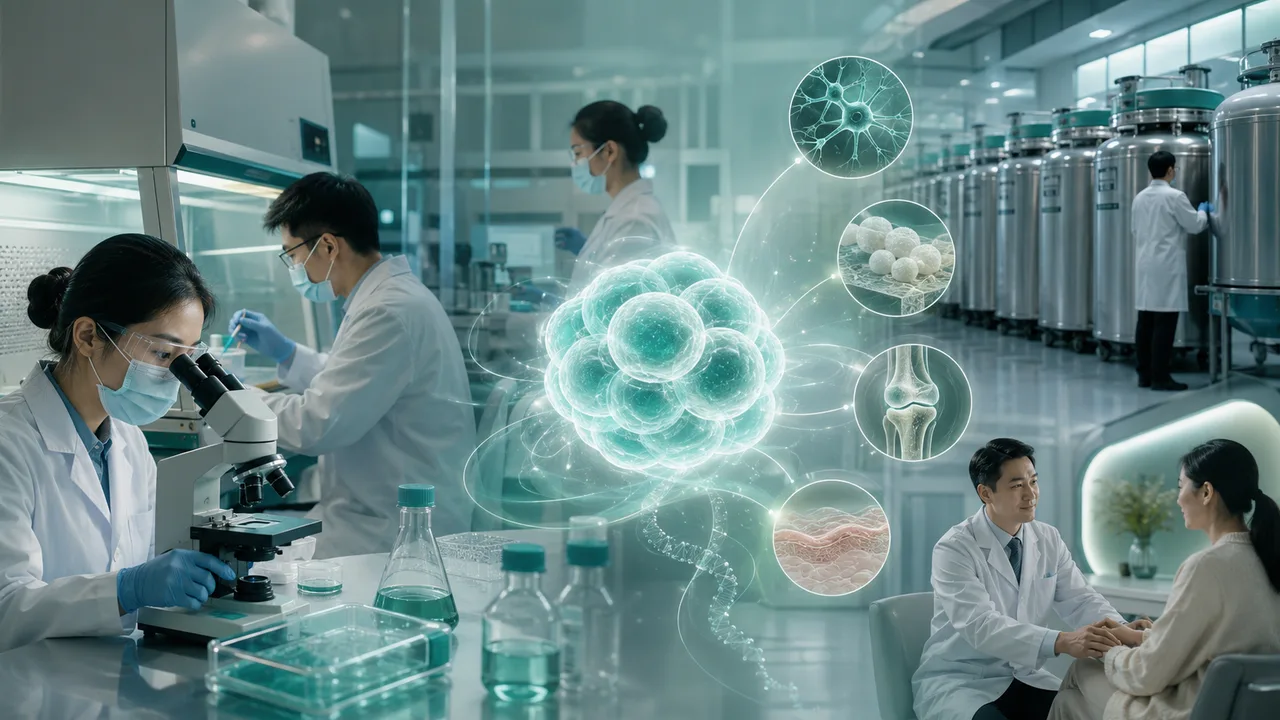
For stem cells to be researched, stored, or applied safely, cell technology plays a particularly important role. It encompasses the entire process of collecting, isolating, culturing, evaluating, preserving, and managing cells.
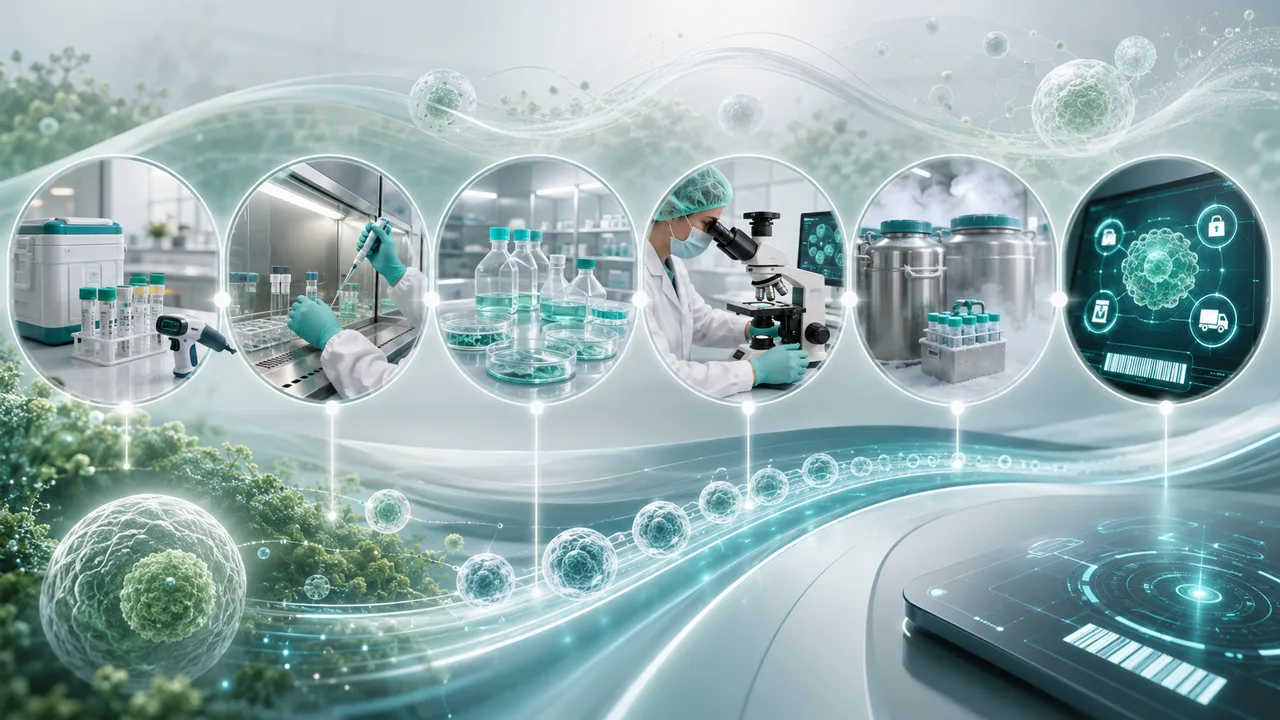
At ODB, cell technology is developed according to the principles of standardization and risk control. Each step in the process must be documented, monitored, and evaluated to ensure the consistency of the sample.
Factors such as laboratory conditions, aseptic technique, culture equipment, preservation media, microbiological testing, and sample-data management all directly affect the final quality.
Quality control in stem cell technology
Quality control is an indispensable element in the field of stem cells. A cell sample is only valuable when it has been fully assessed for its origin, condition, safety, and traceability.
Quality-control parameters may include:
- Assessing cell count.
- Assessing cell viability.
- Monitoring cell morphology.
- Sterility testing.
- Mycoplasma testing.
- Endotoxin testing when necessary.
- Recording processing documentation and storage history.
- Managing identification codes and sample traceability.
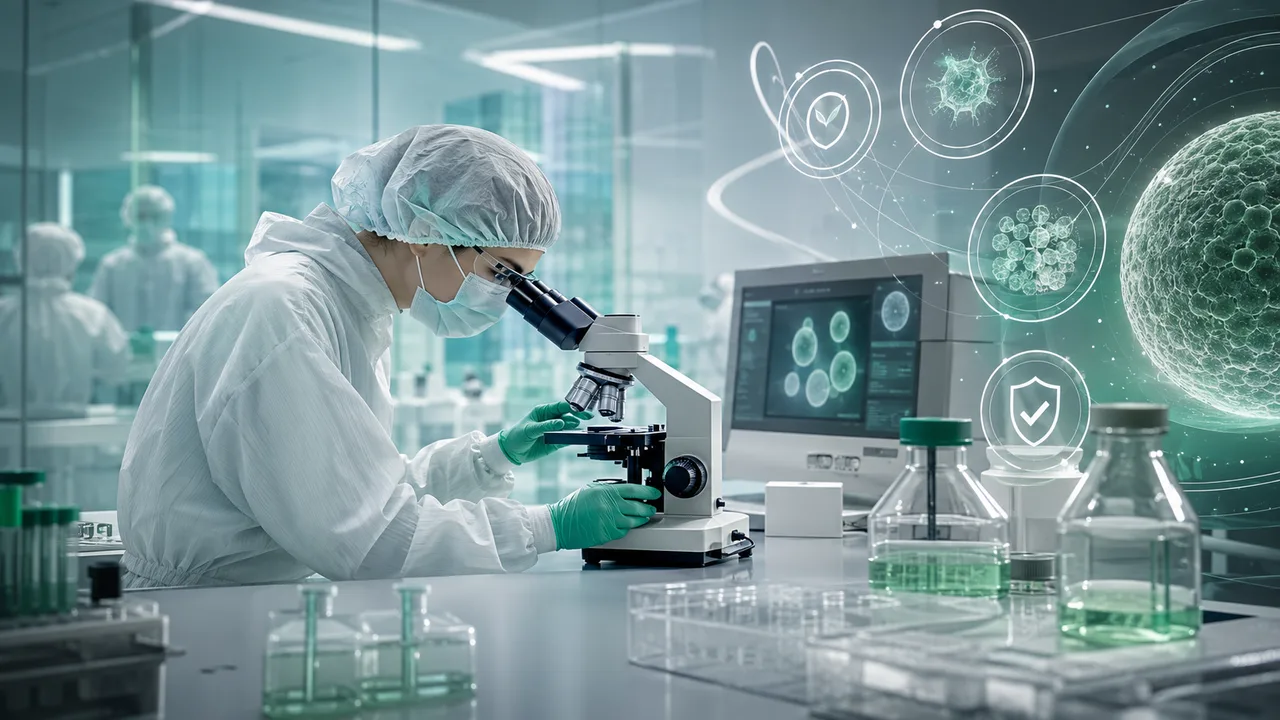
At ODB, quality control is not merely a technical step but a principle that runs throughout the entire cell-technology and regenerative-medicine system.
Applications in tissue repair and healthcare
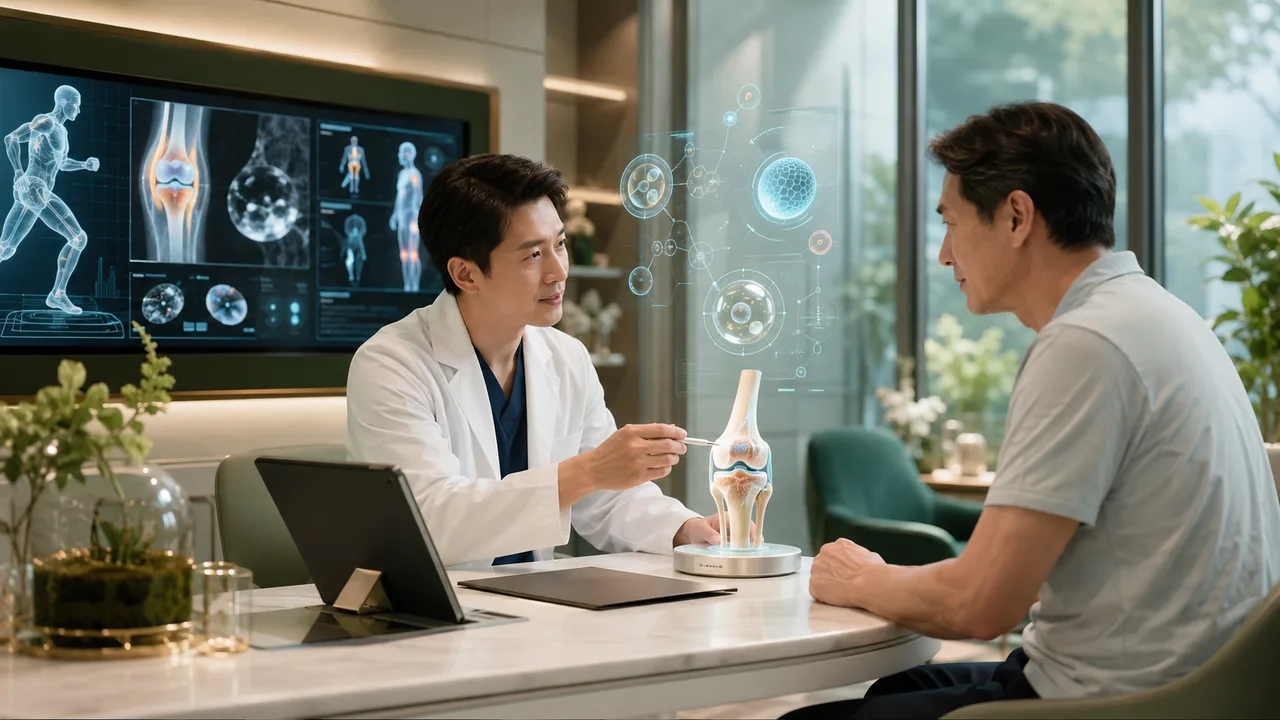
Stem cells and regenerative medicine have potential applications across many areas of modern healthcare. Among the directions of interest are the repair of damaged tissue, support for wound healing, regenerative dermatology, musculoskeletal conditions, proactive healthcare, and aging research.
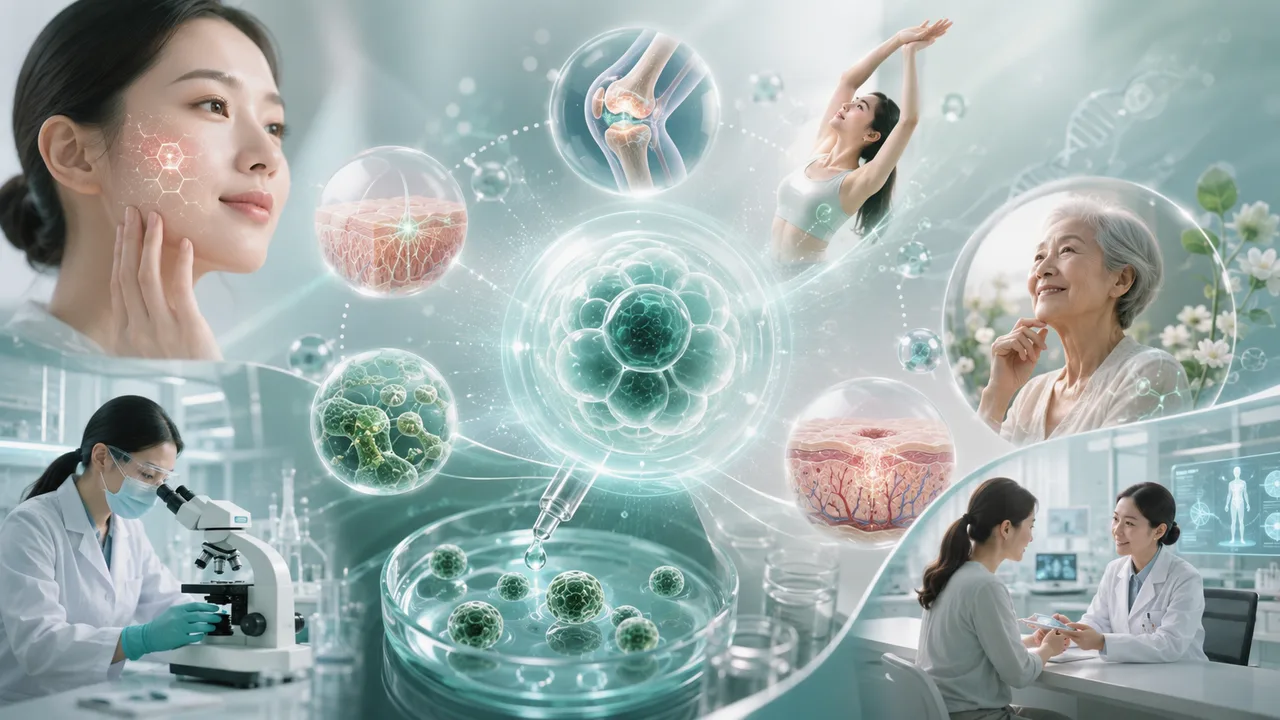
At ODB, these application directions must be built on professional evaluation and tailored to each specific case. This helps limit the use of technology as a mere trend while ensuring that clients have access to clear information about the benefits, limitations, and safety considerations.
Regenerative medicine should not be understood as a replacement for every existing treatment. It is a field that requires caution, scientific evaluation, and close professional monitoring.
Connecting stem cells with personalized medicine
Each person has different biological characteristics, health status, recovery capacity, and risk factors. Stem cells and regenerative medicine therefore need to be considered in relation to personalized medicine.
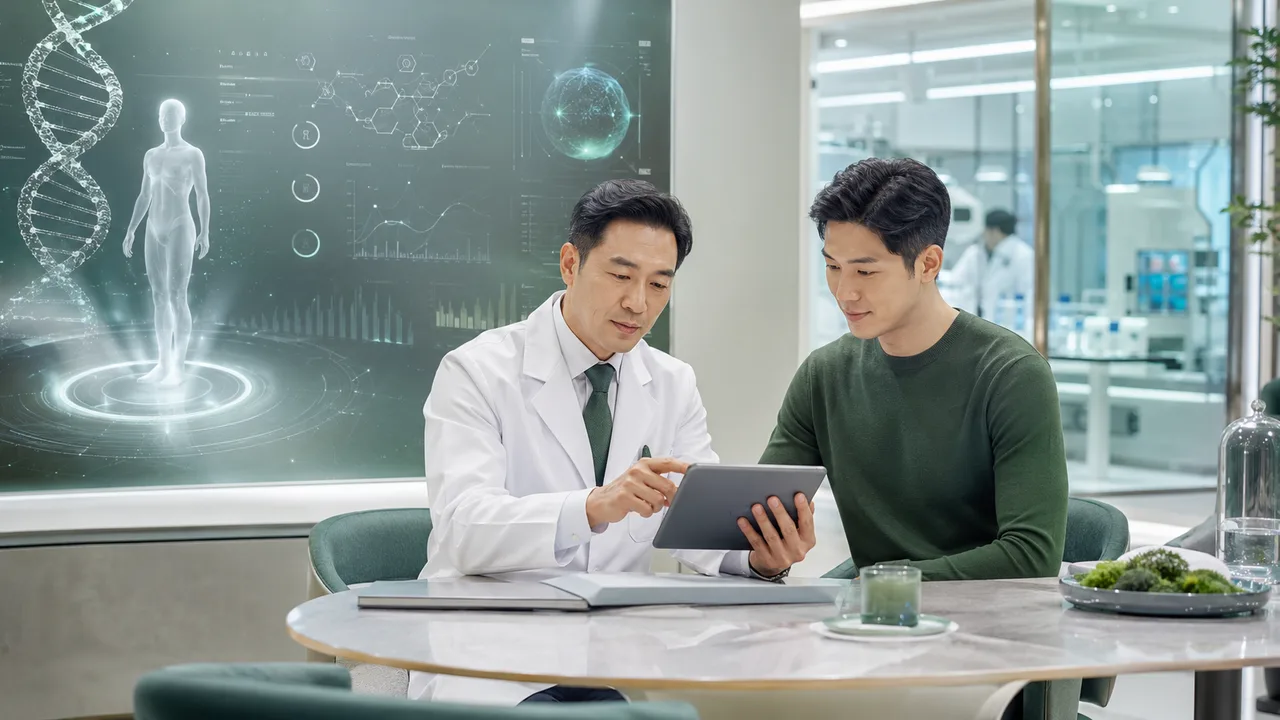
At ODB, personalized medicine helps assess care needs based on health records, laboratory tests, lifestyle, metabolism, immunity, and individual goals. From this, the professional team can chart a more suitable pathway rather than applying the same approach to everyone.
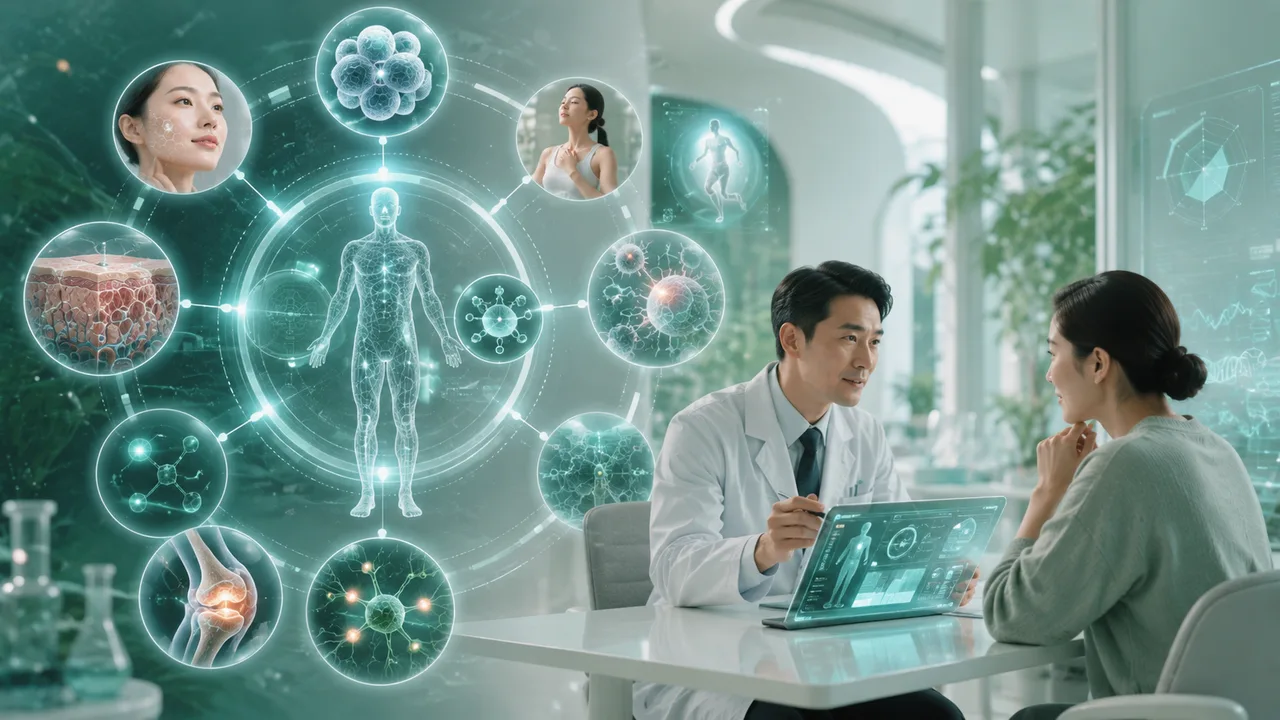
The combination of cell technology and personalized medicine is an important foundation for ODB to develop healthcare solutions that are more precise, safe, and sustainable.
Connecting with regenerative dermatology and proactive healthcare
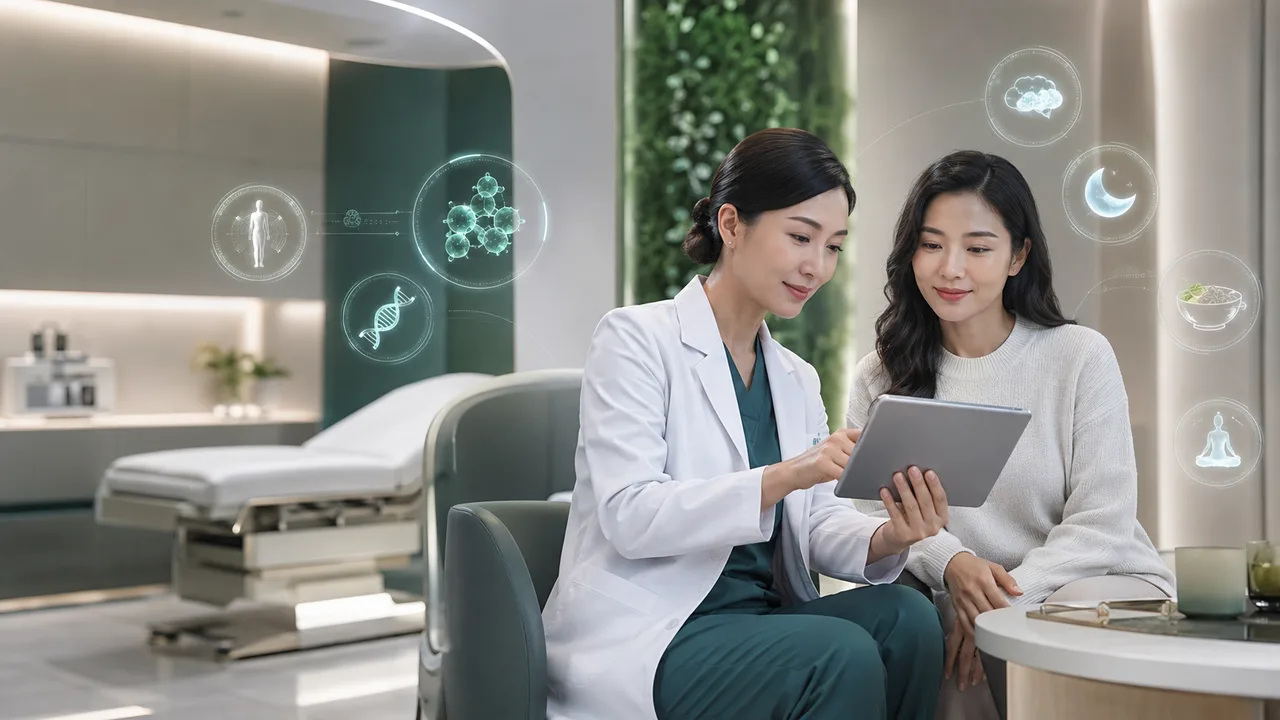
Stem cells and regenerative medicine are not confined to the laboratory. This field can also connect with other specialties within the ODB ecosystem, such as regenerative dermatology and proactive healthcare.
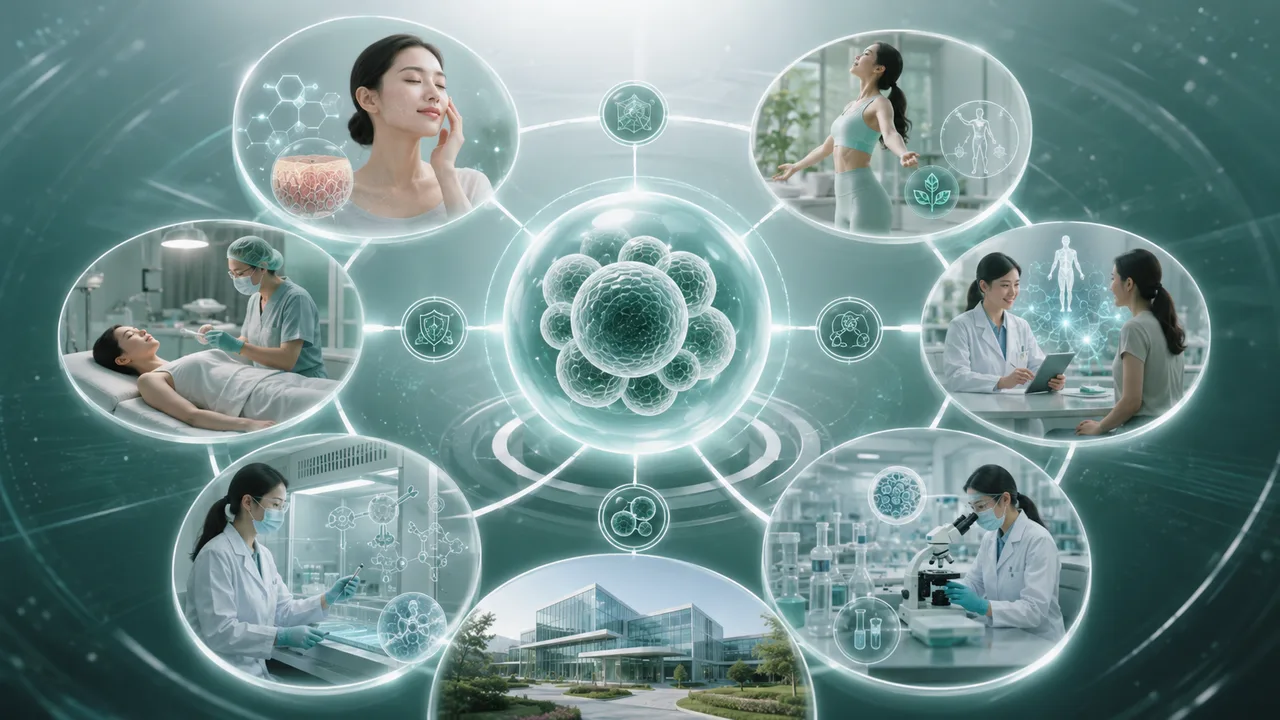
In regenerative dermatology, mechanisms such as tissue repair, inflammation regulation, collagen remodeling, and support for the skin's protective barrier are directions of interest. In proactive healthcare, regenerative medicine helps broaden the perspective on prevention, the restoration of biological function, and the maintenance of long-term health.
This interdisciplinary approach helps ODB build a model of care that is not fragmented but instead connects research, technology, and the real needs of clients.
International collaboration in developing regenerative medicine
Stem cells are a rapidly developing field worldwide. International collaboration therefore plays an important role in keeping up with scientific trends, accessing new technologies, training personnel, and raising professional standards.
ODB aims to connect with experts, research institutes, hospitals, and technology partners from countries with strengths in regenerative medicine, such as Japan, South Korea, and other advanced markets.
Through international collaboration, ODB aims to adopt technology selectively, in a way that suits the actual conditions in Vietnam and is deployed on a foundation of clear quality control.
ODB's commitment in the field of stem cells and regenerative medicine
In the field of stem cells, transparency and caution are mandatory principles. ODB does not promote stem cells as a “cure-all” solution but approaches this field on a foundation of science, controlled procedures, and professional evaluation.
ODB is committed to developing stem cells and regenerative medicine according to the following principles:
- Respecting scientific evidence.
- Prioritizing safety and quality.
- Standardizing technological processes.
- Transparency in consultation and communication.
- Personalization according to each health need.
- Long-term development based on research and collaboration.
This is the foundation that helps ODB gradually build trust in the field of regenerative medicine in Vietnam.
Choosing ODB in the field of stem cells and regenerative medicine
Choosing ODB means choosing an ecosystem of expertise built on the foundations of cell technology, quality control, personalized medicine, and international collaboration.
Stem cells and regenerative medicine at ODB are not merely a research field but a pillar that connects many values: tissue repair, proactive healthcare, regenerative dermatology, personalized medicine, and the development of applied biotechnology.
With a scientific, safe, and sustainable orientation, ODB aims to help bring regenerative medicine closer to the practice of healthcare in Vietnam.
Note
The information in this article is intended to introduce professional directions and provide reference knowledge. It does not replace consultation, diagnosis, or treatment recommendations from a specialist physician. Solutions related to stem cells and regenerative medicine must be evaluated on the basis of the specific condition, professional indications, scientific evidence, and current regulations.